

 The cottage along Slope Creek, months after being vacated due to health concerns caused by nearby oil and gas operations. Photo courtesy of Chloe Mankin
https://fractracker.org/wp-content/uploads/2024/01/slopecreek2018.jpg
845
1500
Chloe Mankin
https://fractracker.org/wp-content/uploads/2025/09/2025-Wordmark-Logo.png
Chloe Mankin2024-01-12 12:51:302024-01-12 16:32:21Calling for Change: Life on the Fracking Frontlines
The cottage along Slope Creek, months after being vacated due to health concerns caused by nearby oil and gas operations. Photo courtesy of Chloe Mankin
https://fractracker.org/wp-content/uploads/2024/01/slopecreek2018.jpg
845
1500
Chloe Mankin
https://fractracker.org/wp-content/uploads/2025/09/2025-Wordmark-Logo.png
Chloe Mankin2024-01-12 12:51:302024-01-12 16:32:21Calling for Change: Life on the Fracking FrontlinesBirds of Northeastern Pennsylvania Threatened by Fracking Development
Feature image cropped from original photo by Ninahale, CC BY-SA 4.0 via Wikimedia Commons
Overview
Species lists are an important tool to raise awareness and inform decision makers on species affected by certain issues. Here we compile information from published studies in order to present a consensus on which bird species in northeastern Pennsylvania are affected by the fracking industry’s expansion. Along with a species list of 12 birds, we offer an interactive map that allows you to explore reported sightings of these birds and their proximity to fracking development.
Conservation Lists
Conservationists create species lists to help protect biodiversity. These lists condense large amounts of scientific information to categorize species at different priority levels or highlight a group according to a particular threat or shared trait. Conservation lists, like the United States Fish and Wildlife Service (USFWS) Birds of Conservation Concern, raise public awareness and are an easy tool to inform policy makers, organizations, or government agencies. In many cases, creating a list, or getting a species added to or recategorized under an existing list, is enough to spur organizations to implement protection programs.
Resources like the International Union for Conservation of Nature (IUCN) Red List of Threatened Species generally rank thousands of species. By remaining generalized, they are easy to use and quickly become an authority to many people. Anyone can easily use the list to see that the northern cardinal is a bird of “Least Concern” while the California condor is “Critically Endangered.” This tool is great for prioritizing different animals but a downside is that a reader might not necessarily understand why one is endangered but another only near threatened. These generalized lists are so expansive that they cannot afford to go into great detail or illustrate the underlying causes. As a result, it falls on the reader to conduct more research or refer to a specialized list for a specific topic.
Like climate change or wildlife trade, the expansion of the fracking industry shapes biodiversity. Its effects must be managed. Setting aside possibilities like pollution and noise disturbance (Wood et al., 2016; Mason et al., 2016), the industry has a profound impact by merely converting wildlife habitat into industrial landscapes. This includes conversion not only for the well pads where drilling occurs, but also for related infrastructure. Every fracking well needs a network of gathering pipelines and compressor stations that further fragment surrounding habitats.
Fracking in Pennsylvania
North of the Appalachians, fracking companies convert forest habitat to extract gas from the underlying shale. Northeastern Pennsylvania—particularly Tioga, Bradford, Susquehanna, Lycoming, Sullivan, and Wyoming counties—is a hotspot for the fracking industry. According to FERC reporting, this region contains over 8,000 permitted wells for hydraulic fracturing (FERC 2019).
The land use change associated with all these wells particularly affects bird communities. For many bird species, this region is either their nesting habitat, or an important stop during seasonal migrations. In order to measure the impacts of fracking land-use change, scientists conduct bird surveys at fracking wells, fracking related infrastructure, and in undisturbed areas. They then use this information—what bird species were seen, how many individuals of each species, distance to the nearest disturbance, ecosystem characteristics where the sighting took place etc.—to model the relationship between bird presence and fracking development.
Many studies in this region used modeling techniques to establish a simple linear relationship between distance to fracking infrastructure and a species’ presence. However, newer statistical analyses allow scientists to not only establish this linear distance relationship, but also to investigate the habitat’s ecological thresholds.
An ecological threshold is the tipping point at which incremental changes or disturbances cause drastic or disproportionate results. In the case of forest habitat and bird species, removal of an acre beyond a particular species ecological threshold will result in a huge loss of population, much larger than the loss incurred by removing the same amount before said threshold. When removing the first acre of forest, birds or other animals can likely migrate to connected habitat. It doesn’t incur much loss in terms of population. However, when you remove land past the ecological threshold, a species no longer has the options to tolerate the disturbance. Beyond this point, the losses become disproportionately large.
The Birds Affected by Fracking
Understanding these thresholds allow us to manage human disturbances of an ecosystem. One study sampled from over one hundred fracking-related sites in order to detect bird species responses past their ecological threshold (Farwell et al. 2020). They found evidence for non-linear population declines in response to low levels of forest loss—a sign that for some species these ecological thresholds were already crossed. Along with the abundant amount of studies that modeled linear distance relationships, the consensus is that fracking development predominantly affects birds of the forest interior.
Birds like robins or sparrows are habitat generalists that thrive both near and far away from human development. Areas cleared for well pads or pipelines create edges and open areas that can benefit these generalists (Thomas et al. 2014). However, that previously undisturbed forest was home to more specialized species, primarily warblers and thrushes. These forest interior birds, such as the Cerulean Warbler, need a pristine habitat.
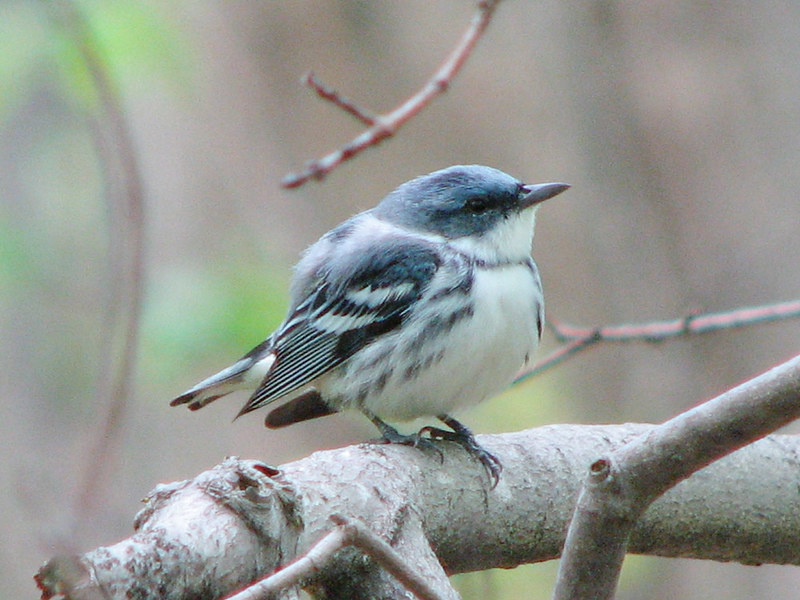
The Cerulean Warbler’s (Setophaga cerulea) overall population has declined by 75% since 1966, primarily due to habitat loss (Sauer et al. 2013). Habitat fragmentation from fracking is another concern for this already threatened bird. Photo by Petroglyph.
Forest interior specialists avoid these new forest edges and also must compete with generalist species (Barton et al. 2016). As a consequence, the impacts of habitat conversion for fracking extends well beyond the visibly cleared acreage. It is also important to note that the relative increase of generalist birds nowhere nears the declines of forest interior birds (Farwell et al. 2020). It is a net loss for birds overall. Specialists also provide important ecosystem services, such as suppressing insect outbreaks (Whelan et al. 2008). For preserving biodiversity and these ecosystem services, we must monitor and manage the impacts on these birds.
We used statistically significant results at the species-level from published studies to compile a watchlist of birds threatened by fracking development in northeastern Pennsylvania (see Appendix for more detailed methods). The list features mostly warblers, but also some thrush, vireo, and woodpecker species. Nearly half of the birds included are already included on a conservation priority list. This underscores that fracking development jeopardizes already vulnerable species.
A Watchlist for Birds of Northeastern Pennsylvania
Along with the list above, we also provide an interactive map so that you may explore the sightings of these birds and their proximity to fracking development. Use the drop-down in the top right to view sightings by species. Sightings are provided by the Cornell Lab of Ornithology’s eBird database. eBird data is curated from reported sightings by citizens and scientists. It is limited primarily by places where people live or go bird-watching. However, as this region is entirely within the range for all of these birds, it is still useful for exploring local sightings. Click any colored point on the map to see more information about that bird’s sighting.
Fracking pipelines are colored in orange. Click any pipeline to see the total acreage cleared for that segment. Pipeline data comes from a portion of FracTracker Alliance’s gathering line dataset. Since fracking wells are too numerous to view regionally, zoom in to see permitted well locations at the local level.
To view map instructions on the page, click the side panel to the left.
The Take Away
The clearing of habitat for fracking wells, pipelines, and compressor stations is just one of the many ways the industry affects surrounding wildlife. Increasing forest edges and clearing forest for fracking particularly impacts birds of the forest interior. A majority of the birds on this list are already of conservation concern or declining in terms of population. Many migrant warblers are continuously declining from year to year, and researchers have yet to pinpoint exactly why. Continued expansion of this industry into forest habitats will only exacerbate these conservation issues. In order to preserve biodiversity, ecosystem services, and our enjoyment of these creatures, we must manage the impacts of fracking on these birds.
References & Where to Learn More
Appalachian Mountains Joint Venture (2015) Priority Landbirds. http://amjv.org/documents/Priority_ Landbird_Species.pdf
Barton, E.P., Pabian, S.E., and Brittingham, M.C. (2016) Bird Community Response to Marcellus Shale Gas Development. The Journal of Wildlife Management 80(7): 1301-1313
eBird. (2021) eBird: An online database of bird distribution and abundance [web application]. eBird, Cornell Lab of Ornithology, Ithaca, New York. http://www.ebird.org
Faaborg, J., Arendt, W.J., Toms, J.D., Dugger, K.M., Cox, W.A., and Mora, M.C. (2013) Long-term decline of a winter-resident bird community in Puerto Rico. Biodiversity and Conservation 22:63-75
Farwell, L.S., Wood, P.B., Brown, D.J., and Sheehan, J. (2019) Proximity to unconventional shale gas infrastructure alters breeding bird abundance and distribution. Condor 121:1-20
Farwell, L.S., Wood, P.B., Dettmers, R., and Brittingham, M.C. (2020) Threshold responses of songbirds to forest loss and fragmentation across the Marcellus-Utica shale gas region of central Appalachia, USA. Landscape Ecology 35:1353-1370
Federal Energy Regulatory Commission (2019) Approved major pipeline projects. https://www.ferc.gov/industries-data/natural-gas/approved-major-pipeline-projects-1997-present
International Union for Conservation of Nature (2019) The IUCN red list of threatened species, v. 2021-1. http://www.iucnredlist.org
Langlois, L.A. (2017) Effects of Marcellus shale gas infrastructure on forest fragmentation and bird communities in northcentral Pennsylvania. Dissertation, Pennsylvania State University, State College, USA
Manthey, J. D., Klicka, J., and Spellman, G.M. (2010) Cryptic diversity in a widespread North American songbird: Phylogeography of the Brown Creeper (Certhia americana). Molecular Phylogenetics and Evolution 58: 502-512
Mason, J.T., McClure, C.J.W., and Barber, J.R. (2016) Anthropogenic noise impairs owl hunting behavior. Biological Conservation 199: 29-32
National Geographic (2003) Field Guide to the Birds of North America. National Geographic Society, Washington. D.C.
Thomas, E.H., Brittingham, M.C., and Stoleson, S.H. (2014) Conventional Oil and Gas Development Alters Forest Songbird Communities. The Journal of Wildlife Management 78(2): 293-306
Tingley, M.W., Orwig, D.A., Field, R., and Motzkin, G. (2002) Avian response to removal of a forest dominant: consequences of hemlock woolly adelgid infestations. Journal of Biogeography 29(11): 1505-1516
U.S. Fish and Wildlife Service (2008) Birds of conservation concern 2008. United States Department of Interior, Fish and Wildlife Service, Division of Migratory Bird Management, Arlington, Virginia. http://www.fws.gov/migratorybirds/
Schlossberg, Scott and King, David (2008) Are Shrubland Birds Edge Specialist?. Ecological Applications 18(6): 1325-1330
Sauer, R., Link, W., Fallon, J., Pardiek, K., Ziolkowski, D. (2013) The North American Breeding Bird Survey 1966–2011: Summary Analysis and Species Accounts. North American Fauna 79:1-32
Sauer, J. R., D. K. Niven, J. E. Hines, D. J. Ziolkowski, Jr, K. L. Pardieck, J. E. Fallon, and W. A. Link. (2017) The North American Breeding Bird Survey, Results and Analysis 1966 – 2015. Version 2.07.2017 USGS Patuxent Wildlife Research Center, Laurel, MD
USGS Paxtuxent Wildlife Research Center (2016) “Canada Warbler, Cardellina canadensis: North American Breeding Bird Survey Trend Results”. U.S. Geological Survey. Department of Interior.
Whelan, C.J., Wenny, D.G., and Marquis, R.J. (2008) Ecosystem Services Provided by Birds. Annals of the New York Academy of Sciences 1134: 25-60
Wilson S, Ladeau, S.L., Tottrup, A.P., and Marra, P.P. (2011) Range-wide effects of breeding- and nonbreeding-season climate on the abundance of a neotropical migrant songbird. Ecology 92: 1789–1798
Wood, P.B., Frantz, M.W., and Becker, D.A. (2016) Louisiana Waterthrush and Benthic Macroinvertebrate Response to Shale Gas Development. Journal of Fish and Wildlife Management 7(2): 423-432
Appendix
Watchlist Methodology
The list was comprised of birds that showed negative threshold responses to overall forest loss, increase of forest edge density, increase in well pad development, and linear non-gas development (Farwell et. al. 2020). While many forest interior species show negative threshold responses to some of these factors individually, we decided to only include species that negatively responded to all factors in order to create a conservative list.
Statistically significant results from local studies that used linear models to assess species responses were used to offer further verification of this list (Thomas et al. 2014; Barton et al. 2016; Langlouis 2017; Farwell et al. 2019). Unfortunately, not all local studies analyze the same species. Within each of these local studies, the species they do aim to analyze do not always yield statistically significant results. This is possibly due to the limitations or randomness of sampling and bird surveys. This reality makes it difficult to produce a species-level list that is strictly congruent across many studies. However, by aiming to highlight a conservative list of sensitive species, our hope is that resulting efforts will be most prudent in helping all birds generally.
Topics in This Article:
Join the Conversation
Stay Informed
FracTracker Newsletter
Support Our Work
FracTracker Alliance helps communicate the risks of oil and gas and petrochemical development to advance just energy alternatives that protect public health, natural resources, and the climate.
By contributing to FracTracker, you are helping to make tangible changes, such as decreasing the number of oil and gas wells in the US, protecting the public from toxic and radioactive chemicals, and stopping petrochemical expansion into vulnerable communities.
Your donations help fund the sourcing and analysis of new data so that we can keep you informed and continually update our resources.
Please donate to FracTracker today as a way to advocate for clean water, clean air, and healthy communities.
What You Should Read Next
The cottage along Slope Creek, months after being vacated due to health concerns caused by nearby oil and gas operations. Photo courtesy of Chloe Mankin
https://fractracker.org/wp-content/uploads/2024/01/slopecreek2018.jpg
845
1500
Chloe Mankin
https://fractracker.org/wp-content/uploads/2025/09/2025-Wordmark-Logo.png
Chloe Mankin2024-01-12 12:51:302024-01-12 16:32:21Calling for Change: Life on the Fracking Frontlines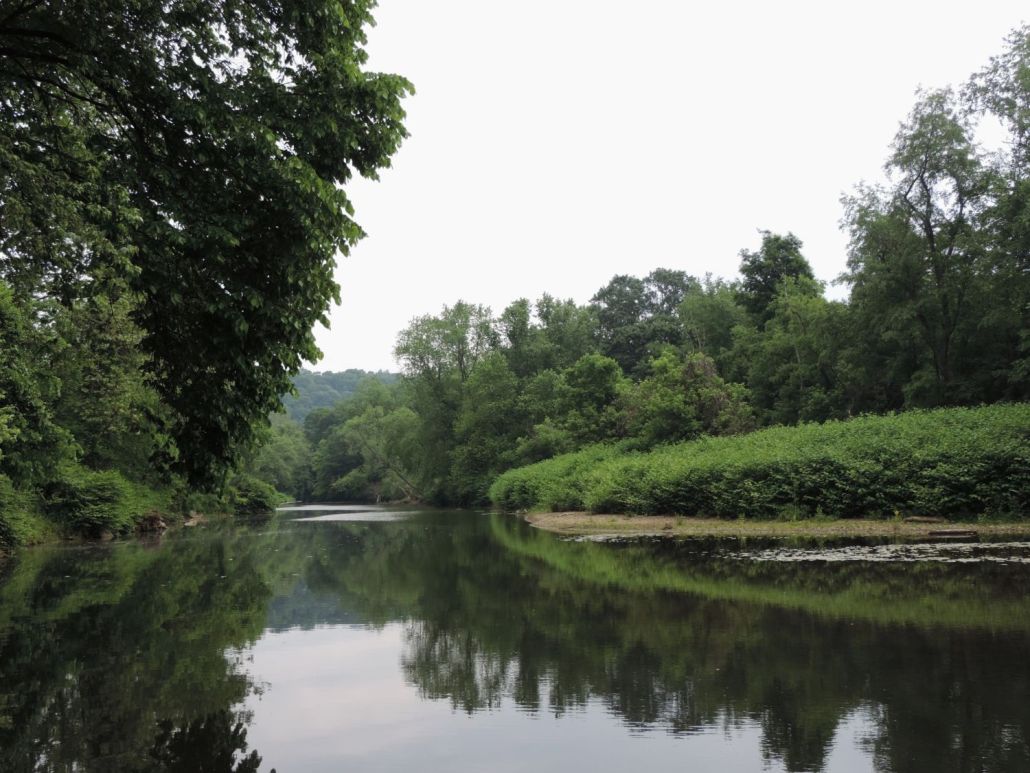 Matt Kelso, FracTracker Alliance, 2023
https://fractracker.org/wp-content/uploads/2023/11/DSCN1328.jpg
1125
1500
Matt Kelso, BA
https://fractracker.org/wp-content/uploads/2025/09/2025-Wordmark-Logo.png
Matt Kelso, BA2023-11-16 13:25:082025-03-06 15:39:23Digital Atlas: Exploring Nature and Industry in the Raccoon Creek Watershed
Matt Kelso, FracTracker Alliance, 2023
https://fractracker.org/wp-content/uploads/2023/11/DSCN1328.jpg
1125
1500
Matt Kelso, BA
https://fractracker.org/wp-content/uploads/2025/09/2025-Wordmark-Logo.png
Matt Kelso, BA2023-11-16 13:25:082025-03-06 15:39:23Digital Atlas: Exploring Nature and Industry in the Raccoon Creek Watershed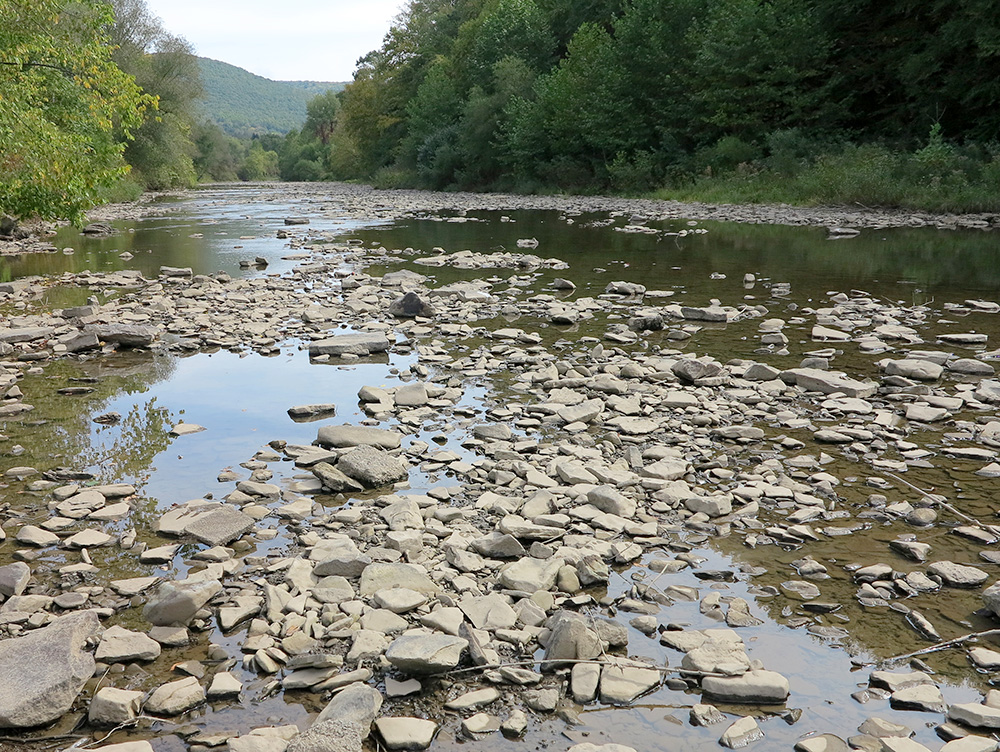 https://fractracker.org/wp-content/uploads/2016/01/pa_trout_stream.jpg
752
1000
FracTracker Alliance
https://fractracker.org/wp-content/uploads/2025/09/2025-Wordmark-Logo.png
FracTracker Alliance2023-09-11 15:49:302023-09-12 09:34:18Pennsylvania Watersheds at Risk: Ecological Degradation
https://fractracker.org/wp-content/uploads/2016/01/pa_trout_stream.jpg
752
1000
FracTracker Alliance
https://fractracker.org/wp-content/uploads/2025/09/2025-Wordmark-Logo.png
FracTracker Alliance2023-09-11 15:49:302023-09-12 09:34:18Pennsylvania Watersheds at Risk: Ecological Degradation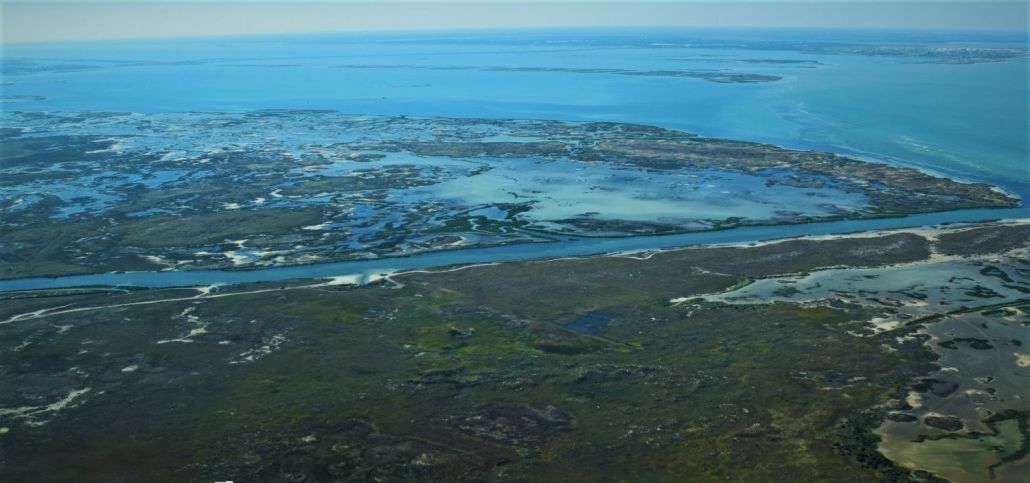 https://fractracker.org/wp-content/uploads/2023/08/49743349622_f00c8e14da_6k-2.jpg
704
1500
Ted Auch, PhD
https://fractracker.org/wp-content/uploads/2025/09/2025-Wordmark-Logo.png
Ted Auch, PhD2023-08-14 12:32:142023-08-31 10:22:23The Evolution of Environmental Regulation: A Case Study of Sackett v. EPA
https://fractracker.org/wp-content/uploads/2023/08/49743349622_f00c8e14da_6k-2.jpg
704
1500
Ted Auch, PhD
https://fractracker.org/wp-content/uploads/2025/09/2025-Wordmark-Logo.png
Ted Auch, PhD2023-08-14 12:32:142023-08-31 10:22:23The Evolution of Environmental Regulation: A Case Study of Sackett v. EPA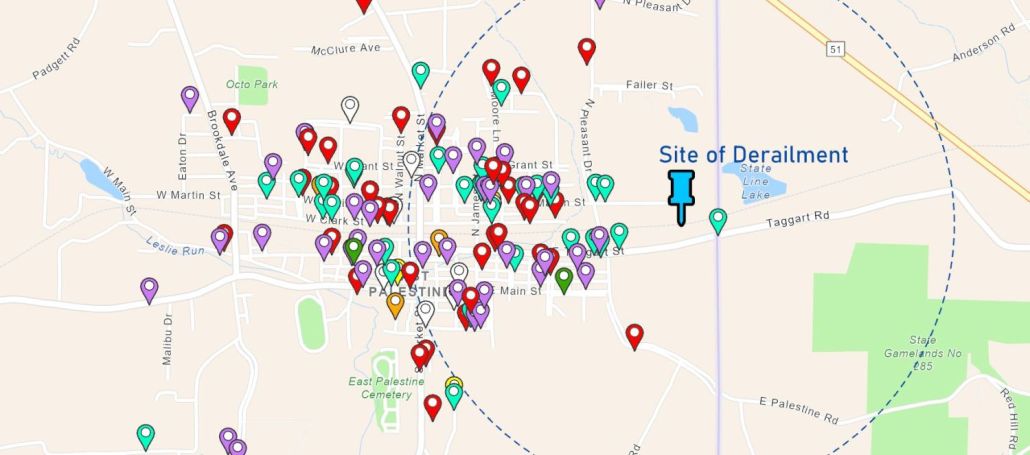 https://fractracker.org/wp-content/uploads/2023/06/East-Palestine-Featured-Map.jpg
662
1500
Erica Jackson
https://fractracker.org/wp-content/uploads/2025/09/2025-Wordmark-Logo.png
Erica Jackson2023-06-30 10:58:572023-06-30 10:58:57Widespread, Lingering Impacts of Norfolk Southern Warrant an Emergency Response
https://fractracker.org/wp-content/uploads/2023/06/East-Palestine-Featured-Map.jpg
662
1500
Erica Jackson
https://fractracker.org/wp-content/uploads/2025/09/2025-Wordmark-Logo.png
Erica Jackson2023-06-30 10:58:572023-06-30 10:58:57Widespread, Lingering Impacts of Norfolk Southern Warrant an Emergency Response https://fractracker.org/wp-content/uploads/2022/11/DSC_1359_HighRes.jpg
1000
1500
FracTracker Alliance
https://fractracker.org/wp-content/uploads/2025/09/2025-Wordmark-Logo.png
FracTracker Alliance2022-11-23 15:15:112025-03-06 15:40:10Coursing Through Gasland: A Digital Atlas Exploring Natural Gas Development in the Towanda Creek Watershed
https://fractracker.org/wp-content/uploads/2022/11/DSC_1359_HighRes.jpg
1000
1500
FracTracker Alliance
https://fractracker.org/wp-content/uploads/2025/09/2025-Wordmark-Logo.png
FracTracker Alliance2022-11-23 15:15:112025-03-06 15:40:10Coursing Through Gasland: A Digital Atlas Exploring Natural Gas Development in the Towanda Creek Watershed https://fractracker.org/wp-content/uploads/2022/09/DSC_1021_LowRes__1607617394306__w1920-e1663613850641.jpg
667
1500
Ted Auch, PhD
https://fractracker.org/wp-content/uploads/2025/09/2025-Wordmark-Logo.png
Ted Auch, PhD2022-09-19 15:08:172022-11-03 11:56:26Desalination: The Chemical Industry’s Demand for Water in Texas
https://fractracker.org/wp-content/uploads/2022/09/DSC_1021_LowRes__1607617394306__w1920-e1663613850641.jpg
667
1500
Ted Auch, PhD
https://fractracker.org/wp-content/uploads/2025/09/2025-Wordmark-Logo.png
Ted Auch, PhD2022-09-19 15:08:172022-11-03 11:56:26Desalination: The Chemical Industry’s Demand for Water in Texas https://fractracker.org/wp-content/uploads/2022/07/bender-2-e1663253808606.jpg
667
1500
Ted Auch, PhD
https://fractracker.org/wp-content/uploads/2025/09/2025-Wordmark-Logo.png
Ted Auch, PhD2022-07-29 14:52:262022-09-15 10:57:01New Film Tells Story of Community’s Fight Against Fracking Waste
https://fractracker.org/wp-content/uploads/2022/07/bender-2-e1663253808606.jpg
667
1500
Ted Auch, PhD
https://fractracker.org/wp-content/uploads/2025/09/2025-Wordmark-Logo.png
Ted Auch, PhD2022-07-29 14:52:262022-09-15 10:57:01New Film Tells Story of Community’s Fight Against Fracking Waste https://fractracker.org/wp-content/uploads/2022/04/IMG_5940-1.jpg
1125
1500
Erica Jackson
https://fractracker.org/wp-content/uploads/2025/09/2025-Wordmark-Logo.png
Erica Jackson2022-04-11 16:48:092022-04-20 13:23:14Dimock residents working to protect water from a new threat: fracking waste
https://fractracker.org/wp-content/uploads/2022/04/IMG_5940-1.jpg
1125
1500
Erica Jackson
https://fractracker.org/wp-content/uploads/2025/09/2025-Wordmark-Logo.png
Erica Jackson2022-04-11 16:48:092022-04-20 13:23:14Dimock residents working to protect water from a new threat: fracking waste https://fractracker.org/wp-content/uploads/2022/04/VictoriaSwitzerPaintingDimock.jpg
284
640
Guest Author
https://fractracker.org/wp-content/uploads/2025/09/2025-Wordmark-Logo.png
Guest Author2022-04-08 14:15:282022-04-13 12:01:36Victoria’s Story
https://fractracker.org/wp-content/uploads/2022/04/VictoriaSwitzerPaintingDimock.jpg
284
640
Guest Author
https://fractracker.org/wp-content/uploads/2025/09/2025-Wordmark-Logo.png
Guest Author2022-04-08 14:15:282022-04-13 12:01:36Victoria’s Story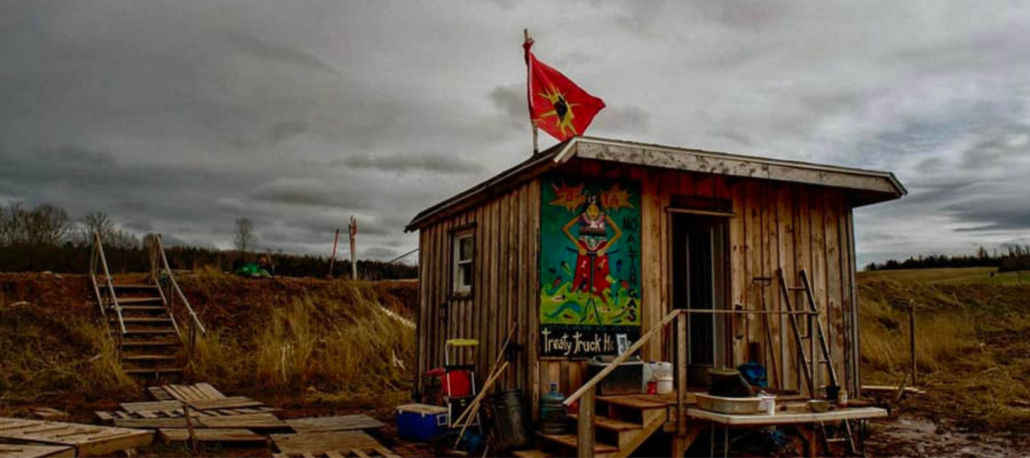 Jared Durelle
https://fractracker.org/wp-content/uploads/2021/05/Stop-Alton-Gas-Treaty-Truckhouse-feature-photo-by-Jared-Durelle.jpg
667
1500
Karen Edelstein
https://fractracker.org/wp-content/uploads/2025/09/2025-Wordmark-Logo.png
Karen Edelstein2021-05-20 14:50:522022-01-10 17:07:38Gas Storage Plan vs. Indigenous Rights in Nova Scotia
Jared Durelle
https://fractracker.org/wp-content/uploads/2021/05/Stop-Alton-Gas-Treaty-Truckhouse-feature-photo-by-Jared-Durelle.jpg
667
1500
Karen Edelstein
https://fractracker.org/wp-content/uploads/2025/09/2025-Wordmark-Logo.png
Karen Edelstein2021-05-20 14:50:522022-01-10 17:07:38Gas Storage Plan vs. Indigenous Rights in Nova Scotia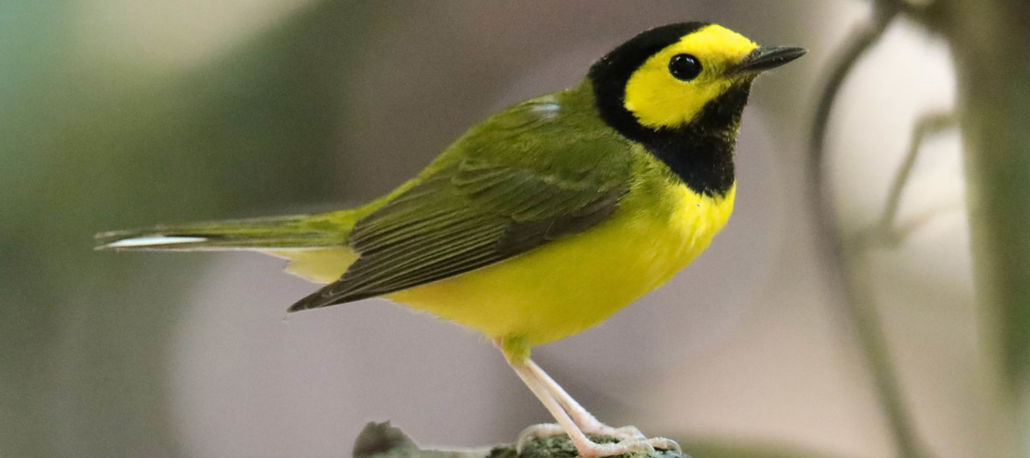 https://fractracker.org/wp-content/uploads/2021/05/Hooded_Warbler-feature-by-Ninahale.jpg
667
1500
Intern FracTracker
https://fractracker.org/wp-content/uploads/2025/09/2025-Wordmark-Logo.png
Intern FracTracker2021-05-14 12:29:542021-05-19 10:52:56Birds of Northeastern Pennsylvania Threatened by Fracking Development
https://fractracker.org/wp-content/uploads/2021/05/Hooded_Warbler-feature-by-Ninahale.jpg
667
1500
Intern FracTracker
https://fractracker.org/wp-content/uploads/2025/09/2025-Wordmark-Logo.png
Intern FracTracker2021-05-14 12:29:542021-05-19 10:52:56Birds of Northeastern Pennsylvania Threatened by Fracking Development https://fractracker.org/wp-content/uploads/2021/03/ANWR-Feature-scaled.jpg
667
1500
Rebecca Johnson
https://fractracker.org/wp-content/uploads/2025/09/2025-Wordmark-Logo.png
Rebecca Johnson2021-03-12 18:02:492021-04-15 15:13:44The fight to protect Alaska’s Arctic National Wildlife Refuge
https://fractracker.org/wp-content/uploads/2021/03/ANWR-Feature-scaled.jpg
667
1500
Rebecca Johnson
https://fractracker.org/wp-content/uploads/2025/09/2025-Wordmark-Logo.png
Rebecca Johnson2021-03-12 18:02:492021-04-15 15:13:44The fight to protect Alaska’s Arctic National Wildlife Refuge https://fractracker.org/wp-content/uploads/2021/02/Figure-2.-There-are-50-operational-oil-and-gas-wells-permitted-on-California-state-lands-in-the-Sacramento-River-Delta-feature-scaled.jpg
667
1500
Kyle Ferrar, MPH
https://fractracker.org/wp-content/uploads/2025/09/2025-Wordmark-Logo.png
Kyle Ferrar, MPH2021-02-12 17:42:002021-04-15 14:08:43Oil and Gas Wells on California State Lands
https://fractracker.org/wp-content/uploads/2021/02/Figure-2.-There-are-50-operational-oil-and-gas-wells-permitted-on-California-state-lands-in-the-Sacramento-River-Delta-feature-scaled.jpg
667
1500
Kyle Ferrar, MPH
https://fractracker.org/wp-content/uploads/2025/09/2025-Wordmark-Logo.png
Kyle Ferrar, MPH2021-02-12 17:42:002021-04-15 14:08:43Oil and Gas Wells on California State Lands Image courtesy of Lois Bower-Bjornson from the Clean Air Council.
https://fractracker.org/wp-content/uploads/2020/08/Fracking-SW-PA-feature-Lois-Bower-Bjornson-scaled.jpg
667
1500
Intern FracTracker
https://fractracker.org/wp-content/uploads/2025/09/2025-Wordmark-Logo.png
Intern FracTracker2020-08-20 11:07:572025-05-02 14:44:39Landscape Changes and Mental Health Impacts in Southwestern Pennsylvania Communities: A Qualitative Study
Image courtesy of Lois Bower-Bjornson from the Clean Air Council.
https://fractracker.org/wp-content/uploads/2020/08/Fracking-SW-PA-feature-Lois-Bower-Bjornson-scaled.jpg
667
1500
Intern FracTracker
https://fractracker.org/wp-content/uploads/2025/09/2025-Wordmark-Logo.png
Intern FracTracker2020-08-20 11:07:572025-05-02 14:44:39Landscape Changes and Mental Health Impacts in Southwestern Pennsylvania Communities: A Qualitative Study https://fractracker.org/wp-content/uploads/2020/08/Loyalsock-feature-scaled.jpg
667
1500
Shannon Smith
https://fractracker.org/wp-content/uploads/2025/09/2025-Wordmark-Logo.png
Shannon Smith2020-08-04 18:44:392023-01-17 10:30:44The Loyalsock Watershed Project
https://fractracker.org/wp-content/uploads/2020/08/Loyalsock-feature-scaled.jpg
667
1500
Shannon Smith
https://fractracker.org/wp-content/uploads/2025/09/2025-Wordmark-Logo.png
Shannon Smith2020-08-04 18:44:392023-01-17 10:30:44The Loyalsock Watershed Project https://fractracker.org/wp-content/uploads/2020/07/Mapping-gathering-lines-in-OH-and-WV-feature.jpg
833
1875
Intern FracTracker
https://fractracker.org/wp-content/uploads/2025/09/2025-Wordmark-Logo.png
Intern FracTracker2020-07-02 12:09:192025-05-02 14:45:00Mapping Gathering Lines in Ohio and West Virginia
https://fractracker.org/wp-content/uploads/2020/07/Mapping-gathering-lines-in-OH-and-WV-feature.jpg
833
1875
Intern FracTracker
https://fractracker.org/wp-content/uploads/2025/09/2025-Wordmark-Logo.png
Intern FracTracker2020-07-02 12:09:192025-05-02 14:45:00Mapping Gathering Lines in Ohio and West Virginia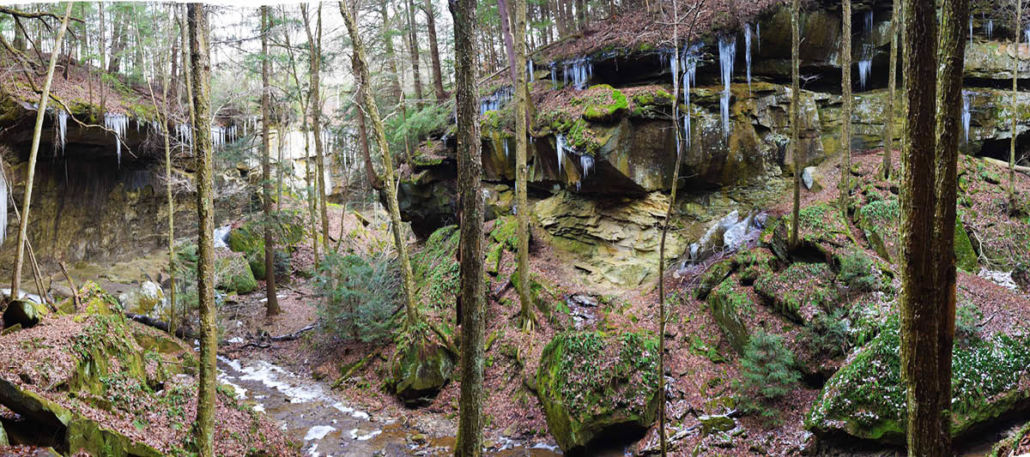 Photo by Ted Auch, FracTracker Alliance
https://fractracker.org/wp-content/uploads/2019/12/Captina-Creek-Watershed-Feature.jpg
533
1200
Ted Auch, PhD
https://fractracker.org/wp-content/uploads/2025/09/2025-Wordmark-Logo.png
Ted Auch, PhD2019-12-20 09:49:212021-04-15 14:55:33Fracking Threatens Ohio’s Captina Creek Watershed
Photo by Ted Auch, FracTracker Alliance
https://fractracker.org/wp-content/uploads/2019/12/Captina-Creek-Watershed-Feature.jpg
533
1200
Ted Auch, PhD
https://fractracker.org/wp-content/uploads/2025/09/2025-Wordmark-Logo.png
Ted Auch, PhD2019-12-20 09:49:212021-04-15 14:55:33Fracking Threatens Ohio’s Captina Creek Watershed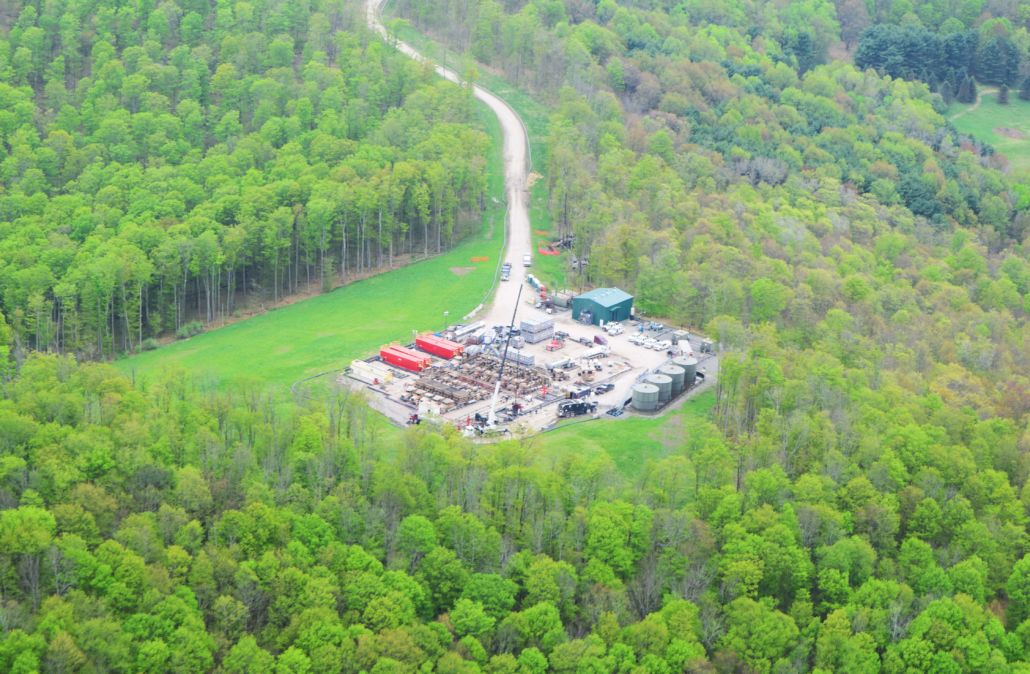 https://fractracker.org/wp-content/uploads/2019/07/DSC_0624_LowRes-scaled.jpg
982
1500
Shannon Smith
https://fractracker.org/wp-content/uploads/2025/09/2025-Wordmark-Logo.png
Shannon Smith2019-08-07 09:36:032026-04-28 15:34:37Wildness Lost – Pine Creek
https://fractracker.org/wp-content/uploads/2019/07/DSC_0624_LowRes-scaled.jpg
982
1500
Shannon Smith
https://fractracker.org/wp-content/uploads/2025/09/2025-Wordmark-Logo.png
Shannon Smith2019-08-07 09:36:032026-04-28 15:34:37Wildness Lost – Pine Creek
216 Franklin St, Suite 400, Johnstown, PA 15901
Phone: +1 (717) 303-0403 | info@fractracker.org
FracTracker Alliance is a 501(c)3 non-profit: Tax identification number: 80-0844297