
 https://fractracker.org/wp-content/uploads/2026/03/Shell-Polymers-Data-Tool-Graphics.png
628
1200
Guest Author
https://fractracker.org/wp-content/uploads/2025/09/2025-Wordmark-Logo.png
Guest Author2026-03-26 15:42:172026-04-03 10:35:54FracTracker’s New Data Tool Visualizes Shell’s Pollution, Violations, and Malfunctions Ahead of Permit Public Hearing
https://fractracker.org/wp-content/uploads/2026/03/Shell-Polymers-Data-Tool-Graphics.png
628
1200
Guest Author
https://fractracker.org/wp-content/uploads/2025/09/2025-Wordmark-Logo.png
Guest Author2026-03-26 15:42:172026-04-03 10:35:54FracTracker’s New Data Tool Visualizes Shell’s Pollution, Violations, and Malfunctions Ahead of Permit Public HearingTen Things I learned from Taking Break Free From Plastic’s Toxic Tours
Overview
Break Free From Plastic recently launched Toxic Tours, a storytelling and mapping journey through 22 towns in ten different countries. Each stop on the tour is a community impacted by different parts of the plastic manufacturing lifecycle, such as oil and gas extraction and transportation, refining, and chemical processing.
While I’ve spent the last four years researching the impacts of oil, gas, and petrochemicals, doing the mapping for this project was unique in many ways, and I learned a lot from taking the tour. Here are the ten takeaways that stood out and will stay with me in my work and everyday life:
1. The petrochemical industry brings dramatic changes to the environment that are evident over the course of just one generation
Many of the people interviewed in the Toxic Tour recount changes that have occurred within their lifetimes.
M.K. Elampazhuthi lives in the city of Chennai in eastern India. He shares his memories of going to the Buckingham Canal and seeing fish swimming in the water and boats carrying food and firewood into the city. “What was such a thriving Buckingham Canal is almost dead today …This is particularly because of the chemical factories that were established at Manali, Ennore and Tiruvottiyur.”
In Eloor, India, a fisherman named Shasi paddles in the Periyar River, recounting the change he’s seen in his lifetime: “In my childhood, there were many people who depended on fishing for their subsistence as well as for trade. The next generation may only hear of the Periyar River from our memories.”
Fishermen in Ingeniero White, Argentina tell a similar story. Hector Seijas says, “It was beautiful, it was always beautiful to fish… You could live well… Fish no longer come here unless they have to and if they do come they get sick.” Fifty-two fishermen brought a case to court about this issue, and experts affirmed their stories: fish in this estuary were found to have extremely heavy metal concentrations, causing reproductive issues that depleted their population and made them inedible.
2. The petrochemical industry is threatening the ability of communities to respond to the climate crisis
Many of the stops on the tour highlighted ways the industry is destroying ecosystems and lifestyles that make a community more resilient to the impacts of climate change.
In Mundra, India, a resident explains how new industrial facilities including a coal-to-PVC plant have developed and leveled the entire intertidal area, destroying sand dunes in the process. Pravin Chauhan explains, “The sand dune was the natural barrier to protect us from tsunamis or cyclones, either of which can strike at any time.”
A similar problem is happening to mangroves, which protect coastal communities from intense storms and have a high rate of carbon capture. The tour takes you to Odimodi, Nigeria, where you travel virtually through the water and see mangroves in the background. You can also see the oil sheen on the water from Shell’s pipeline spills, which has killed parts of the mangrove forest, along with the animals that inhabit them like periwinkle snails. Endurance Lapa, a fisherwoman states: “We demand the land to be returned to its previous state, so that we can continue to get fish and periwinkle which we take to survive.”
In Jamnagar, in the west coast of India, local expert Jayendrasinh Ker says,“Every year the government funds mangrove restoration and the local people put in a great deal of effort planting the mangroves, but due to the pollution load caused by the industries, the mangroves are unable to grow.”
In the face of climate change, communities need healthy ecosystems for protection from natural disasters and to sustain local food supplies, which leads me to my next takeaway:
3. The petrochemical industry takes away traditional job opportunities and ways of life
Living in Pennsylvania, a major gas producer, I know how the industry has failed to provide sustainable jobs for locals. Yet I didn’t appreciate the extent to which the petrochemical industry is destroying traditional job opportunities and local economies around the globe before taking this tour.
In Eloor, outside the city of Kochi, India, a resident named Ajitha, explains, “The women who once worked with me are now working for employment guarantee schemes and in domestic work. With no fish in sight and the arrival of retail fishing markets, local trade has slowed down immensely.”
The Turkana people are pastoralists and live a nomadic lifestyle in Turkana County in Kenya. Their lives have been disrupted by Tullow Oil. On this stop on the tour, you learn how differing perspectives on land ownership between the Turkana and the oil company are creating fear amongst the community. You hear from Lowoi Ikweel, who explains, “we need our land title deeds so that we cannot be sent away by the government and oil companies…the oil companies only value the deeds. We need the title deeds for our community land.” Community representatives Wilson Nakauron and Julius Loyolo add, “This is why we say we fear the Tullow oil project, because they are going to snatch land from us, cut down trees, and the gas flaring will result in air pollution which may affect people living in the region.” Another person, Asekon Ewoi shares, “The company doesn’t employ people because when they fall sick because of the hazardous waste, they need to seek medical attention.”

4. Permit violations and accidents are commonplace
I knew this coming into the toxic tour; I’ve looked through many violation datasets, I’ve heard the testimony of residents, I know the joke, DEP stands for “Don’t Expect Protection.” But still, hearing the interviews was a powerful reminder of how poorly regulated the petrochemical industry is around the world.
Many of the facilities on the tour have experienced explosions and fires, including the Markwest Processing Plant in Pennsylvania, the Engen Oil Refinery in Durban, South Africa, and the petrochemical complex in Ingeniero White, Argentina.
In Carson, Los Angeles County, Diego Mayen says, “I have heard my elders talk about refinery explosions that broke the window glass on their windows in West Long Beach. I have lived through two refinery fires. In my schooling in West Long Beach, I lived through having to have lockdowns and not being able to go outside because air quality was bad.”
In Taixio and Mailiao Townships of Taiwan, Professor Yuan-He Huang describes high rates of cancer and the unbearable smells, adding, “this corporation has violated our basic human rights.”

5. The petrochemical and connected industries pollute waterways, but they also deplete water supply and raise water temperature
Many stops on the tour highlight issues related to water, and not just about toxic contamination.
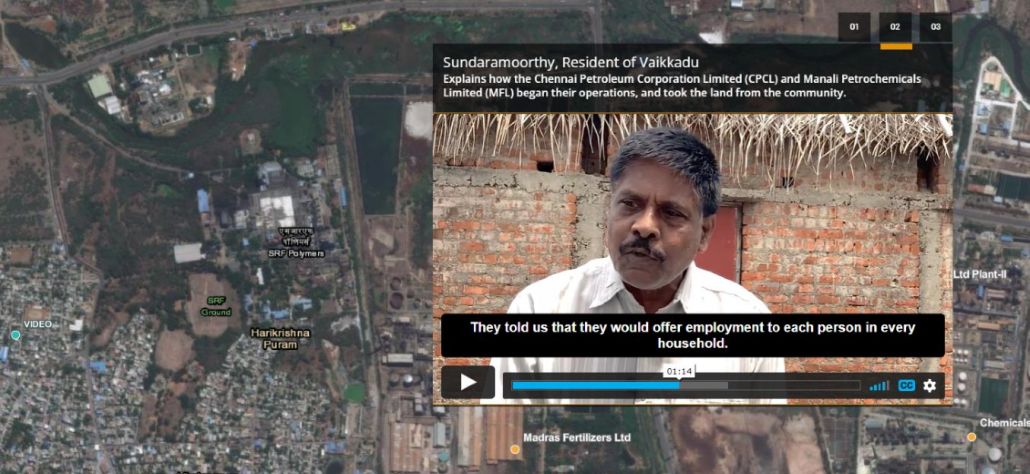
In Manali, India, Sundaramoothy explains, “After Chennai Petroleum Corporation Limited and Manali Petrochemicals Limited began their operations here, we started experiencing water scarcity. With water being so scarce, farming was reduced.”
The petrochemical industry’s thirst for water is especially apparent in Texas. The tour gives you an overhead view of Corpus Christi, where four desalination plants have been proposed. These plants would desalinate sea water for use in industrial facilities like the Exxon-SABIC ethane cracker, which will use 20 million gallons of water a day.
In Mundra, India, a coal-to-PVC plant has been proposed near three coal power plants, which also harm waterways. Gajendra Singh Jadeja shows the hot water discharge site for a coal power plant: “Every hour it takes 6,000 lakh litres (or 600 million litres) of sea water.The water released here is 7 degrees Celsius warmer (than at the intake point)…The hot water discharge has an impact on marine life… the fish population has migrated.”
6. The petrochemical industry makes big promises, then fails to deliver
While the public generally doesn’t have a lot of decision-making power when it comes to the industries around them, some people on the tour discuss being coerced into making agreements with the oil, gas, and petrochemical industries that they later regretted.
Lowoi Ikweel, in Lokichar, Kenya shares, “We agreed to give out our land to the oil project because we thought it would end poverty, but now we are not getting what we expected. We are not seeing anything good from the project… we want to be educated because we do not know how the project is being managed.”
In Pennsylvania, Lois Bjornson explains how her neighbors signed a lease for what they thought was land behind their house, but woke up to bulldozers right in front of their house, constructing a new well pad. Runoff from the well pad contaminated the aquifer beneath it. “These neighbors went into talks with Bryce Energy,” Lois says, “and they were bought out. So they can’t talk at all. They have a life gag order.”
In a particularly powerful stop on the tour in India, Sundaramoorthy tells a story about how the village of Vaikkadu was taken over by the petrochemical industry: “They [Chennai Petroleum Corporation Limited] told us that they will buy this land, and give us all compensation…They told us that they would offer employment to each person in every household. Our elders accepted this offer…Then, they instituted a regulation and told us that we should not pay taxes. …If we stopped paying taxes, they said that they would provide us with another piece of land with all the amenities. Thinking that they were doing something good for us, we stopped paying the taxes. After 20 years of not paying taxes, they legally declared the land in our village as poramboke (land that belongs to the government).”
7. Governments across the world are failing to respond to serious health impacts brought by the petrochemical industry
The tour makes it clear the blame does not just rest on the industry itself.
In Durban, South Africa, local activist Bongani Mthembu describes a lack of communication between Engen Refinery and residents: “This refinery had the audacity to just be untouchable. And we also blame the authorities, the government itself, for allowing that.”
The youth president of Odimodi, Nigeria and its federated communities, Akin Idisemi DC, shares, “When they called me to the Senate, I explained certain of these things with proof, good proof: how the environment has been damaged, how their (Shell Petroleum Development Corporation) disposal line is leaking every day.” Yet Akin and the rest of Odimodi have not gotten a response or seen any action from public officials.
Sedrani, a hairdresser in Ingeniero White, Argentina, shares her frustration with the government’s response to the industry’s violations: “You never know how much the fine is, or where the environmental tax paid by the company goes, or the amount of the environmental tax. No one in our society knows.”
8. Meanwhile, everyday people, volunteers, and activists are stepping up to fill the void
The tour also shows you the ways in which organizations and residents are organizing. In South Durban, Bongani Mthembu answers calls on a hotline for people’s health concerns and takes air samples outside a refinery. In Grangemouth, Scotland, you see a group of residents who have organized a nurdle hunt at a nature reserve. In Eloor, a volunteer named Shabir describes a years-long campaign to stop pollution in the Periyar River. In Turkana County, Kenya, you can sit in on a community meeting.
Professor Yuan-He Huang in Taiwan weighs in on his community’s effort to get justice: “It’s unfair to the victims to have to prove which toxic chemicals were released from which smokestack to decide who is responsible for their illness…Especially for these giant corporations, they [judges] should take the “reversal of the burden of proof.” This means the corporations which are likely to generate pollution have to prove that there is no harm done.”

9. The push-pull between staying in a Frontline community and moving away is evident and heart-wrenching across stops on the tour
The petrochemical industry has displaced communities in many different ways.
Prabhavathi is featured in the Manali, India stop on the tour. She comes from a family of priests and helped look after a temple which was demolished by Chennai Petroleum Corporation Limited [CPCL]. “Even though we had taken such good care of the temple, they demolished the temple,” she says. “They offered an alternate location for the temple at CPCL. So we moved to that space and we can no longer visit the original temple. And now we are suffering because we cannot connect to our ancestral roots in our hometown.”
Lois Bjornson, in Pennsylvania, describes being surrounded by well pads. When her neighbors were forced out of their home from a toxic fracking well pad, they moved to a new place which was soon impacted by another fracking operation. “There’s no escaping anything,” she says.
Hector Seijas, a fisherman in Ingeniero White explains, “With time and the continuing issue of pollution,the number of boats decreased, and people migrated to other places, to other ports.”
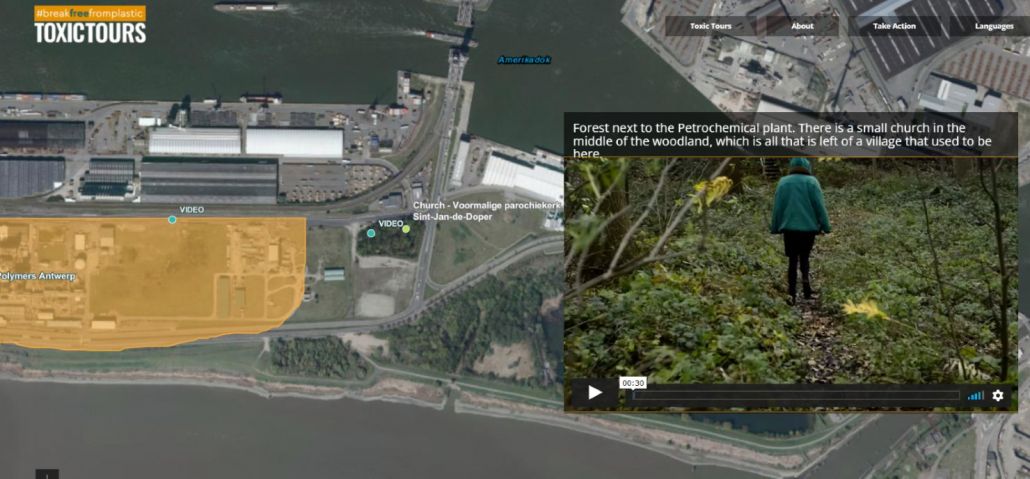
Perhaps the bleakest example of displacement is easy to miss on the tour. In Antwerp, Belgium, you’re led through a small patch of woods a fraction the size of the Total Polymers petrochemical plant beside it. There’s a church in the woods, and it’s all that remains of a village.
10. It’s important to share these stories internationally
Most of the companies seen in the toxic tour are multinational; you’ll see Dow, Dupont, INEOS, Shell, Formosa, and Tullow. In some cases, building facilities far from their headquarters makes it harder for them to be held accountable. In Odimodi, Akin Idisemi DC, says, “I believe what SPDC [Shell Petroleum Development Corporation] is doing to my community and other communities in Niger Delta area, they cannot do that outside Nigeria.” By sharing the stories of frontline communities across the globe, we are both presenting an irrefutable body of evidence of why we must stop permitting new plastic manufacturing facilities and displaying the will of frontline communities who are fighting to make that happen.
References & Where to Learn More
Break Free From Plastic’s Toxic Tours
Topics in This Article:
Join the Conversation
Stay Informed
Support Our Work
FracTracker Alliance helps communicate the risks of oil and gas and petrochemical development to advance just energy alternatives that protect public health, natural resources, and the climate.
By contributing to FracTracker, you are helping to make tangible changes, such as decreasing the number of oil and gas wells in the US, protecting the public from toxic and radioactive chemicals, and stopping petrochemical expansion into vulnerable communities.
Your donations help fund the sourcing and analysis of new data so that we can keep you informed and continually update our resources.
Please donate to FracTracker today as a way to advocate for clean water, clean air, and healthy communities.
What You Should Read Next
https://fractracker.org/wp-content/uploads/2026/03/Shell-Polymers-Data-Tool-Graphics.png
628
1200
Guest Author
https://fractracker.org/wp-content/uploads/2025/09/2025-Wordmark-Logo.png
Guest Author2026-03-26 15:42:172026-04-03 10:35:54FracTracker’s New Data Tool Visualizes Shell’s Pollution, Violations, and Malfunctions Ahead of Permit Public Hearing Photo by David Becker
https://fractracker.org/wp-content/uploads/2025/08/david-becker-crs2vlkSe98-unsplash.jpg
996
1500
FracTracker Alliance
https://fractracker.org/wp-content/uploads/2025/09/2025-Wordmark-Logo.png
FracTracker Alliance2025-08-22 11:22:272025-08-26 15:47:09FracTracker Launches Oil, Gas, and Petrochemical Data Portals
Photo by David Becker
https://fractracker.org/wp-content/uploads/2025/08/david-becker-crs2vlkSe98-unsplash.jpg
996
1500
FracTracker Alliance
https://fractracker.org/wp-content/uploads/2025/09/2025-Wordmark-Logo.png
FracTracker Alliance2025-08-22 11:22:272025-08-26 15:47:09FracTracker Launches Oil, Gas, and Petrochemical Data Portals Ted Auch, FracTracker Alliance, 2024.
https://fractracker.org/wp-content/uploads/2025/01/54181541145_20a354f95c_k.jpg
998
1500
Guest Author
https://fractracker.org/wp-content/uploads/2025/09/2025-Wordmark-Logo.png
Guest Author2024-12-31 21:51:392025-05-02 14:52:29Visualizing Environmental Injustice with Interactive Data: Cancer Alley, Louisiana
Ted Auch, FracTracker Alliance, 2024.
https://fractracker.org/wp-content/uploads/2025/01/54181541145_20a354f95c_k.jpg
998
1500
Guest Author
https://fractracker.org/wp-content/uploads/2025/09/2025-Wordmark-Logo.png
Guest Author2024-12-31 21:51:392025-05-02 14:52:29Visualizing Environmental Injustice with Interactive Data: Cancer Alley, Louisiana https://fractracker.org/wp-content/uploads/2024/05/sobeYtownMar202024_0047.jpg
686
1000
Guest Author
https://fractracker.org/wp-content/uploads/2025/09/2025-Wordmark-Logo.png
Guest Author2024-05-06 10:42:112024-05-12 11:21:18Youngstown Residents Stand Against Pyrolysis Plant: A Community’s Fight for Environmental Justice
https://fractracker.org/wp-content/uploads/2024/05/sobeYtownMar202024_0047.jpg
686
1000
Guest Author
https://fractracker.org/wp-content/uploads/2025/09/2025-Wordmark-Logo.png
Guest Author2024-05-06 10:42:112024-05-12 11:21:18Youngstown Residents Stand Against Pyrolysis Plant: A Community’s Fight for Environmental Justice Graphic by Sarah Jessie Liez, 2024
https://fractracker.org/wp-content/uploads/2024/03/Fast-Fashion-Image.jpg
845
1500
FracTracker Alliance
https://fractracker.org/wp-content/uploads/2025/09/2025-Wordmark-Logo.png
FracTracker Alliance2024-03-04 18:00:222024-04-03 14:49:21Fossil Fashion: How Oil and Gas Fuel the Fashion Industry
Graphic by Sarah Jessie Liez, 2024
https://fractracker.org/wp-content/uploads/2024/03/Fast-Fashion-Image.jpg
845
1500
FracTracker Alliance
https://fractracker.org/wp-content/uploads/2025/09/2025-Wordmark-Logo.png
FracTracker Alliance2024-03-04 18:00:222024-04-03 14:49:21Fossil Fashion: How Oil and Gas Fuel the Fashion Industry https://fractracker.org/wp-content/uploads/2023/12/Figure-6-Rail-Population.jpg
801
1498
Matt Kelso, BA
https://fractracker.org/wp-content/uploads/2025/09/2025-Wordmark-Logo.png
Matt Kelso, BA2023-12-14 16:26:372023-12-15 11:47:53On the Wrong Track: Risks to Residents of the Upper Ohio River Valley From Railroad Incidents
https://fractracker.org/wp-content/uploads/2023/12/Figure-6-Rail-Population.jpg
801
1498
Matt Kelso, BA
https://fractracker.org/wp-content/uploads/2025/09/2025-Wordmark-Logo.png
Matt Kelso, BA2023-12-14 16:26:372023-12-15 11:47:53On the Wrong Track: Risks to Residents of the Upper Ohio River Valley From Railroad Incidents Matt Kelso, FracTracker Alliance, 2023
https://fractracker.org/wp-content/uploads/2023/11/DSCN1328.jpg
1125
1500
Matt Kelso, BA
https://fractracker.org/wp-content/uploads/2025/09/2025-Wordmark-Logo.png
Matt Kelso, BA2023-11-16 13:25:082025-03-06 15:39:23Digital Atlas: Exploring Nature and Industry in the Raccoon Creek Watershed
Matt Kelso, FracTracker Alliance, 2023
https://fractracker.org/wp-content/uploads/2023/11/DSCN1328.jpg
1125
1500
Matt Kelso, BA
https://fractracker.org/wp-content/uploads/2025/09/2025-Wordmark-Logo.png
Matt Kelso, BA2023-11-16 13:25:082025-03-06 15:39:23Digital Atlas: Exploring Nature and Industry in the Raccoon Creek Watershed https://fractracker.org/wp-content/uploads/2016/10/Nix-Pix-021.jpg
3336
5001
Ted Auch, PhD
https://fractracker.org/wp-content/uploads/2025/09/2025-Wordmark-Logo.png
Ted Auch, PhD2023-11-14 22:11:292024-02-05 13:44:01Fertilizer Production in the United States: How Big Ag is Fossil Fueled
https://fractracker.org/wp-content/uploads/2016/10/Nix-Pix-021.jpg
3336
5001
Ted Auch, PhD
https://fractracker.org/wp-content/uploads/2025/09/2025-Wordmark-Logo.png
Ted Auch, PhD2023-11-14 22:11:292024-02-05 13:44:01Fertilizer Production in the United States: How Big Ag is Fossil Fueled https://fractracker.org/wp-content/uploads/2023/10/gilooly-farmer-pa-2013.jpg
823
1500
Guest Author
https://fractracker.org/wp-content/uploads/2025/09/2025-Wordmark-Logo.png
Guest Author2023-09-29 11:06:032023-11-28 12:34:19Introducing Open-FF: Uncovering Fracking Chemicals
https://fractracker.org/wp-content/uploads/2023/10/gilooly-farmer-pa-2013.jpg
823
1500
Guest Author
https://fractracker.org/wp-content/uploads/2025/09/2025-Wordmark-Logo.png
Guest Author2023-09-29 11:06:032023-11-28 12:34:19Introducing Open-FF: Uncovering Fracking Chemicals https://fractracker.org/wp-content/uploads/2016/10/Nix-Pix-034.jpg
3260
4887
Erica Jackson
https://fractracker.org/wp-content/uploads/2025/09/2025-Wordmark-Logo.png
Erica Jackson2023-08-31 14:19:372023-11-28 12:34:36How Spills, Holes, and Cracks Release Fracking Chemicals Into the Environment
https://fractracker.org/wp-content/uploads/2016/10/Nix-Pix-034.jpg
3260
4887
Erica Jackson
https://fractracker.org/wp-content/uploads/2025/09/2025-Wordmark-Logo.png
Erica Jackson2023-08-31 14:19:372023-11-28 12:34:36How Spills, Holes, and Cracks Release Fracking Chemicals Into the Environment https://fractracker.org/wp-content/uploads/2023/07/Chemical-Manufacturing-Sites.jpg
594
1500
FracTracker Alliance
https://fractracker.org/wp-content/uploads/2025/09/2025-Wordmark-Logo.png
FracTracker Alliance2023-07-05 17:41:272023-07-06 11:24:58Urge EPA to Strengthen Standards for Chemical Plants
https://fractracker.org/wp-content/uploads/2023/07/Chemical-Manufacturing-Sites.jpg
594
1500
FracTracker Alliance
https://fractracker.org/wp-content/uploads/2025/09/2025-Wordmark-Logo.png
FracTracker Alliance2023-07-05 17:41:272023-07-06 11:24:58Urge EPA to Strengthen Standards for Chemical Plants https://fractracker.org/wp-content/uploads/2023/06/East-Palestine-Featured-Map.jpg
662
1500
Erica Jackson
https://fractracker.org/wp-content/uploads/2025/09/2025-Wordmark-Logo.png
Erica Jackson2023-06-30 10:58:572023-06-30 10:58:57Widespread, Lingering Impacts of Norfolk Southern Warrant an Emergency Response
https://fractracker.org/wp-content/uploads/2023/06/East-Palestine-Featured-Map.jpg
662
1500
Erica Jackson
https://fractracker.org/wp-content/uploads/2025/09/2025-Wordmark-Logo.png
Erica Jackson2023-06-30 10:58:572023-06-30 10:58:57Widespread, Lingering Impacts of Norfolk Southern Warrant an Emergency Response https://fractracker.org/wp-content/uploads/2023/05/Corpus-Christi-Data-Dashboard.jpg
798
1500
FracTracker Alliance
https://fractracker.org/wp-content/uploads/2025/09/2025-Wordmark-Logo.png
FracTracker Alliance2023-06-01 13:14:222023-11-27 17:00:10Visualizing Pollution: Corpus Christi Data Dashboard
https://fractracker.org/wp-content/uploads/2023/05/Corpus-Christi-Data-Dashboard.jpg
798
1500
FracTracker Alliance
https://fractracker.org/wp-content/uploads/2025/09/2025-Wordmark-Logo.png
FracTracker Alliance2023-06-01 13:14:222023-11-27 17:00:10Visualizing Pollution: Corpus Christi Data Dashboard Ted Auch, FracTracker Alliance, 2023
https://fractracker.org/wp-content/uploads/2023/04/1-e1680543676237.jpg
843
1500
FracTracker Alliance
https://fractracker.org/wp-content/uploads/2025/09/2025-Wordmark-Logo.png
FracTracker Alliance2023-04-03 17:11:512023-04-04 14:14:03Off the Rails: An Exploration of the Train Derailment in East Palestine
Ted Auch, FracTracker Alliance, 2023
https://fractracker.org/wp-content/uploads/2023/04/1-e1680543676237.jpg
843
1500
FracTracker Alliance
https://fractracker.org/wp-content/uploads/2025/09/2025-Wordmark-Logo.png
FracTracker Alliance2023-04-03 17:11:512023-04-04 14:14:03Off the Rails: An Exploration of the Train Derailment in East Palestine https://fractracker.org/wp-content/uploads/2022/11/Fhn3YgeXkAI0QiX.jpg
675
1200
Erica Jackson
https://fractracker.org/wp-content/uploads/2025/09/2025-Wordmark-Logo.png
Erica Jackson2022-11-17 16:43:392022-11-18 13:41:39Falcon Pipeline Online, Begins Operations Following Violations of Clean Streams Law
https://fractracker.org/wp-content/uploads/2022/11/Fhn3YgeXkAI0QiX.jpg
675
1200
Erica Jackson
https://fractracker.org/wp-content/uploads/2025/09/2025-Wordmark-Logo.png
Erica Jackson2022-11-17 16:43:392022-11-18 13:41:39Falcon Pipeline Online, Begins Operations Following Violations of Clean Streams Law https://fractracker.org/wp-content/uploads/2022/02/51433000267_713224d2c0_k.jpg
564
1500
Erica Jackson
https://fractracker.org/wp-content/uploads/2025/09/2025-Wordmark-Logo.png
Erica Jackson2022-03-16 11:20:282022-04-04 12:59:55A Guide to Petrochemicals, the Fossil Fuel Blindspot
https://fractracker.org/wp-content/uploads/2022/02/51433000267_713224d2c0_k.jpg
564
1500
Erica Jackson
https://fractracker.org/wp-content/uploads/2025/09/2025-Wordmark-Logo.png
Erica Jackson2022-03-16 11:20:282022-04-04 12:59:55A Guide to Petrochemicals, the Fossil Fuel Blindspot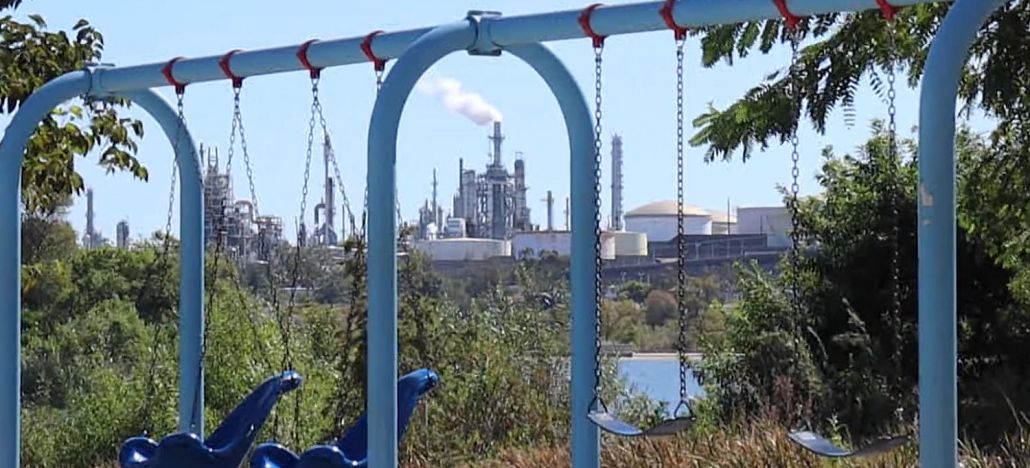 https://fractracker.org/wp-content/uploads/2022/02/ToxicToursFeature.jpg
681
1500
Erica Jackson
https://fractracker.org/wp-content/uploads/2025/09/2025-Wordmark-Logo.png
Erica Jackson2022-02-08 15:29:362022-02-08 17:20:38Ten Things I learned from Taking Break Free From Plastic’s Toxic Tours
https://fractracker.org/wp-content/uploads/2022/02/ToxicToursFeature.jpg
681
1500
Erica Jackson
https://fractracker.org/wp-content/uploads/2025/09/2025-Wordmark-Logo.png
Erica Jackson2022-02-08 15:29:362022-02-08 17:20:38Ten Things I learned from Taking Break Free From Plastic’s Toxic Tours https://fractracker.org/wp-content/uploads/2021/12/FeatImage_CNie.jpg
879
1500
Intern FracTracker
https://fractracker.org/wp-content/uploads/2025/09/2025-Wordmark-Logo.png
Intern FracTracker2022-01-04 11:53:562022-01-24 17:51:21Upper Ohio River in Beaver County: Impact of Petrochemical Facility Discharge on the Community and What’s Behind This Long Battle
https://fractracker.org/wp-content/uploads/2021/12/FeatImage_CNie.jpg
879
1500
Intern FracTracker
https://fractracker.org/wp-content/uploads/2025/09/2025-Wordmark-Logo.png
Intern FracTracker2022-01-04 11:53:562022-01-24 17:51:21Upper Ohio River in Beaver County: Impact of Petrochemical Facility Discharge on the Community and What’s Behind This Long Battle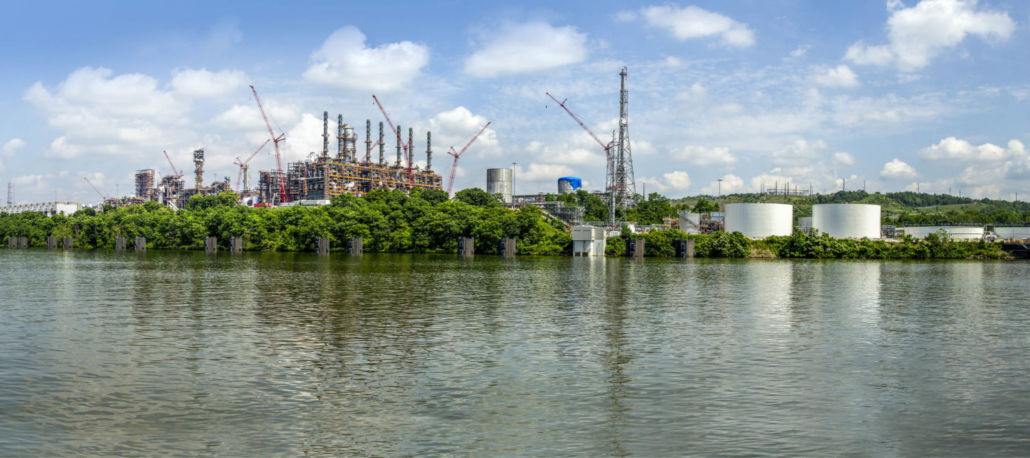 https://fractracker.org/wp-content/uploads/2021/09/Adobe-stock-beaver-cracker-feature.jpg
667
1500
Erica Jackson
https://fractracker.org/wp-content/uploads/2025/09/2025-Wordmark-Logo.png
Erica Jackson2021-12-21 10:49:162022-01-03 11:35:03Petrochemical Toxics in the Ohio River Watershed
https://fractracker.org/wp-content/uploads/2021/09/Adobe-stock-beaver-cracker-feature.jpg
667
1500
Erica Jackson
https://fractracker.org/wp-content/uploads/2025/09/2025-Wordmark-Logo.png
Erica Jackson2021-12-21 10:49:162022-01-03 11:35:03Petrochemical Toxics in the Ohio River Watershed https://fractracker.org/wp-content/uploads/2021/11/TAuch_Plastics_Refinery_TankFarm_Terminal-Trafigura_CorpusChristiPolymers_Valero_Citgo_FlintHillsResources-CorpusChristi_TX_LightHawk_Nov2019-feature.jpg
667
1500
Ted Auch, PhD
https://fractracker.org/wp-content/uploads/2025/09/2025-Wordmark-Logo.png
Ted Auch, PhD2021-11-05 09:43:472021-11-05 09:47:30Southeastern Texas Petrochemical Industry Needs 318 Billion Gallons of Water, but the US EPA Says Not So Fast
https://fractracker.org/wp-content/uploads/2021/11/TAuch_Plastics_Refinery_TankFarm_Terminal-Trafigura_CorpusChristiPolymers_Valero_Citgo_FlintHillsResources-CorpusChristi_TX_LightHawk_Nov2019-feature.jpg
667
1500
Ted Auch, PhD
https://fractracker.org/wp-content/uploads/2025/09/2025-Wordmark-Logo.png
Ted Auch, PhD2021-11-05 09:43:472021-11-05 09:47:30Southeastern Texas Petrochemical Industry Needs 318 Billion Gallons of Water, but the US EPA Says Not So Fast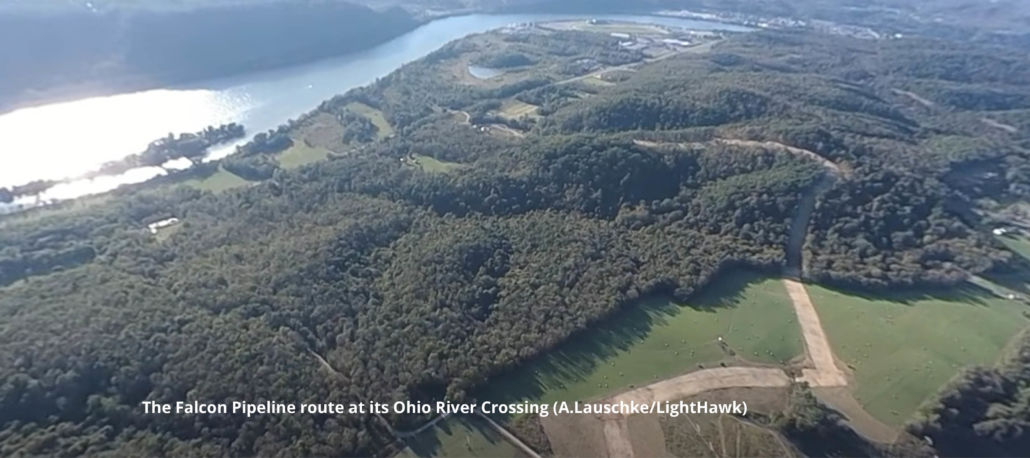 https://fractracker.org/wp-content/uploads/2021/03/Falcon-Ohio-River-Crossing-Feature-A.LauschkeLightHawk-scaled.jpg
667
1500
Erica Jackson
https://fractracker.org/wp-content/uploads/2025/09/2025-Wordmark-Logo.png
Erica Jackson2021-08-24 07:15:232021-08-23 17:30:12Ongoing Safety Concerns over Shell’s Falcon Pipeline
https://fractracker.org/wp-content/uploads/2021/03/Falcon-Ohio-River-Crossing-Feature-A.LauschkeLightHawk-scaled.jpg
667
1500
Erica Jackson
https://fractracker.org/wp-content/uploads/2025/09/2025-Wordmark-Logo.png
Erica Jackson2021-08-24 07:15:232021-08-23 17:30:12Ongoing Safety Concerns over Shell’s Falcon Pipeline https://fractracker.org/wp-content/uploads/2021/06/National-Map-2021-Feature.jpg
667
1500
Erica Jackson
https://fractracker.org/wp-content/uploads/2025/09/2025-Wordmark-Logo.png
Erica Jackson2021-06-30 08:00:252022-05-02 15:24:21Updated National Energy and Petrochemical Map
https://fractracker.org/wp-content/uploads/2021/03/Falcon-Ohio-River-Crossing-Feature-A.LauschkeLightHawk-scaled.jpg
667
1500
Erica Jackson
https://fractracker.org/wp-content/uploads/2025/09/2025-Wordmark-Logo.png
Erica Jackson2021-03-17 08:48:432021-04-15 15:11:21Shell’s Falcon Pipeline Under Investigation for Serious Public Safety Threats
https://fractracker.org/wp-content/uploads/2021/06/National-Map-2021-Feature.jpg
667
1500
Erica Jackson
https://fractracker.org/wp-content/uploads/2025/09/2025-Wordmark-Logo.png
Erica Jackson2021-06-30 08:00:252022-05-02 15:24:21Updated National Energy and Petrochemical Map
https://fractracker.org/wp-content/uploads/2021/03/Falcon-Ohio-River-Crossing-Feature-A.LauschkeLightHawk-scaled.jpg
667
1500
Erica Jackson
https://fractracker.org/wp-content/uploads/2025/09/2025-Wordmark-Logo.png
Erica Jackson2021-03-17 08:48:432021-04-15 15:11:21Shell’s Falcon Pipeline Under Investigation for Serious Public Safety Threats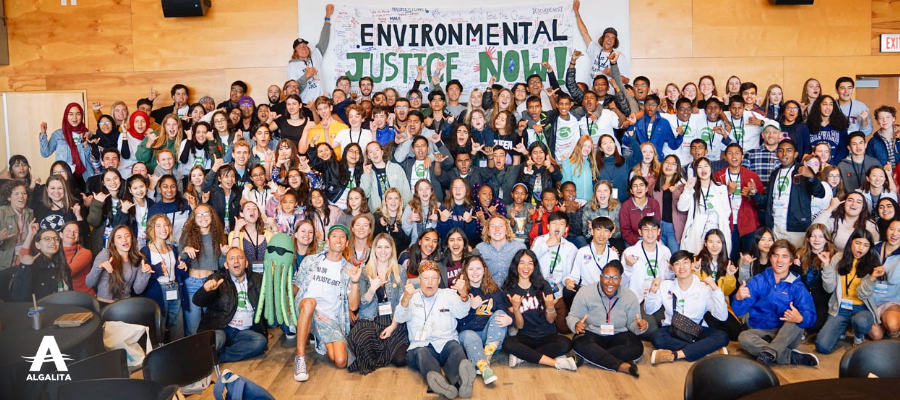 https://fractracker.org/wp-content/uploads/2021/03/FracTracker-blog-photo-algalita-900x400-1.png
400
900
Guest Author
https://fractracker.org/wp-content/uploads/2025/09/2025-Wordmark-Logo.png
Guest Author2021-03-03 15:03:302021-04-15 14:08:40Mapping intersectionality: Empowering youth addressing plastics
https://fractracker.org/wp-content/uploads/2021/03/FracTracker-blog-photo-algalita-900x400-1.png
400
900
Guest Author
https://fractracker.org/wp-content/uploads/2025/09/2025-Wordmark-Logo.png
Guest Author2021-03-03 15:03:302021-04-15 14:08:40Mapping intersectionality: Empowering youth addressing plastics https://fractracker.org/wp-content/uploads/2020/12/TAuch_Infrastructure-Refinery-BritishPetroleum-TexasCity_TX_LightHawk_Nov2019-Feature-scaled.jpg
667
1500
Ted Auch, PhD
https://fractracker.org/wp-content/uploads/2025/09/2025-Wordmark-Logo.png
Ted Auch, PhD2020-12-23 16:23:392021-04-15 14:16:01Channels of Life: The Gulf Coast Buildout in Texas
https://fractracker.org/wp-content/uploads/2020/12/TAuch_Infrastructure-Refinery-BritishPetroleum-TexasCity_TX_LightHawk_Nov2019-Feature-scaled.jpg
667
1500
Ted Auch, PhD
https://fractracker.org/wp-content/uploads/2025/09/2025-Wordmark-Logo.png
Ted Auch, PhD2020-12-23 16:23:392021-04-15 14:16:01Channels of Life: The Gulf Coast Buildout in Texas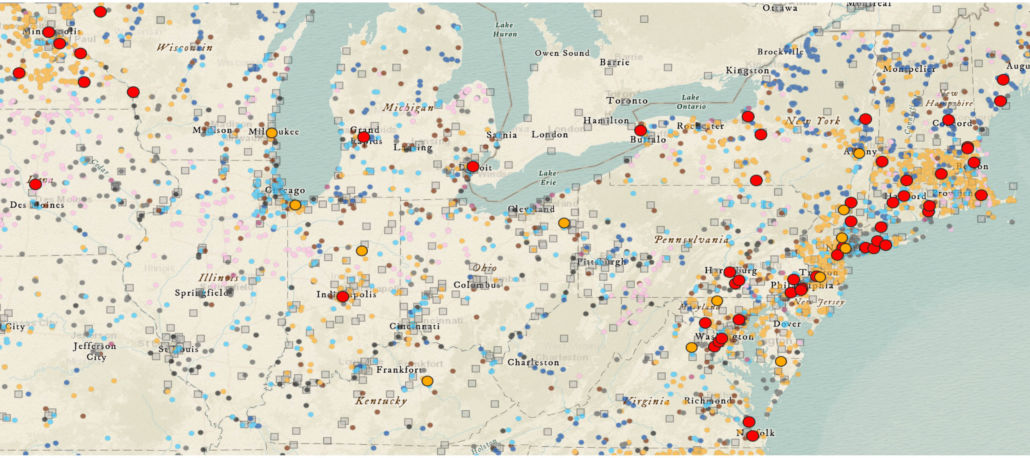 https://fractracker.org/wp-content/uploads/2020/10/Waste-to-Energy-facilities-in-the-US-feature--scaled.jpg
667
1500
Karen Edelstein
https://fractracker.org/wp-content/uploads/2025/09/2025-Wordmark-Logo.png
Karen Edelstein2020-10-19 15:11:492021-04-15 14:16:05Incinerators: Dinosaurs in the world of energy generation
https://fractracker.org/wp-content/uploads/2020/10/Waste-to-Energy-facilities-in-the-US-feature--scaled.jpg
667
1500
Karen Edelstein
https://fractracker.org/wp-content/uploads/2025/09/2025-Wordmark-Logo.png
Karen Edelstein2020-10-19 15:11:492021-04-15 14:16:05Incinerators: Dinosaurs in the world of energy generation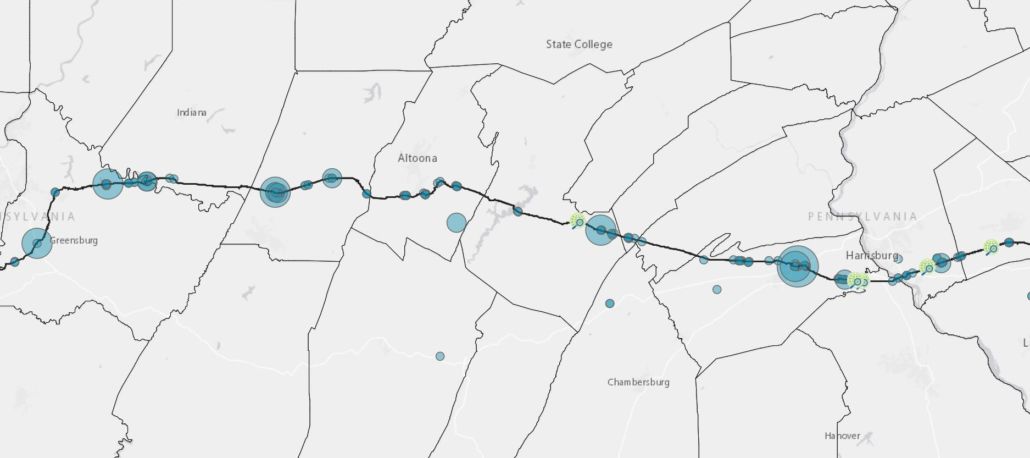 https://fractracker.org/wp-content/uploads/2020/09/ME2FeatureImage.jpg
666
1500
Erica Jackson
https://fractracker.org/wp-content/uploads/2025/09/2025-Wordmark-Logo.png
Erica Jackson2020-09-17 11:20:062021-04-15 14:16:08Mariner East 2 Causes Dozens of Spills Since Lockdown Began, Over 300 in Total
https://fractracker.org/wp-content/uploads/2020/09/ME2FeatureImage.jpg
666
1500
Erica Jackson
https://fractracker.org/wp-content/uploads/2025/09/2025-Wordmark-Logo.png
Erica Jackson2020-09-17 11:20:062021-04-15 14:16:08Mariner East 2 Causes Dozens of Spills Since Lockdown Began, Over 300 in Total https://fractracker.org/wp-content/uploads/2020/08/FracTracker-in-the-Field-promotion5-scaled.jpg
844
1500
FracTracker Alliance
https://fractracker.org/wp-content/uploads/2025/09/2025-Wordmark-Logo.png
FracTracker Alliance2020-08-14 12:44:552021-04-15 14:16:11FracTracker in the Field: Building a Live Virtual Map
https://fractracker.org/wp-content/uploads/2020/08/FracTracker-in-the-Field-promotion5-scaled.jpg
844
1500
FracTracker Alliance
https://fractracker.org/wp-content/uploads/2025/09/2025-Wordmark-Logo.png
FracTracker Alliance2020-08-14 12:44:552021-04-15 14:16:11FracTracker in the Field: Building a Live Virtual Map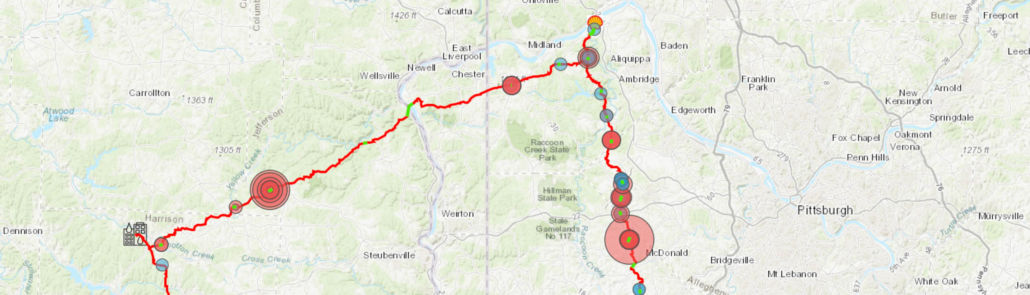 https://fractracker.org/wp-content/uploads/2020/06/FalconPipelineFrontPage-scaled.jpg
430
1500
Erica Jackson
https://fractracker.org/wp-content/uploads/2025/09/2025-Wordmark-Logo.png
Erica Jackson2020-06-16 11:47:062021-04-15 14:16:44Falcon Pipeline Construction Releases over 250,000 Gallons of Drilling Fluid in Pennsylvania and Ohio
https://fractracker.org/wp-content/uploads/2020/06/FalconPipelineFrontPage-scaled.jpg
430
1500
Erica Jackson
https://fractracker.org/wp-content/uploads/2025/09/2025-Wordmark-Logo.png
Erica Jackson2020-06-16 11:47:062021-04-15 14:16:44Falcon Pipeline Construction Releases over 250,000 Gallons of Drilling Fluid in Pennsylvania and Ohio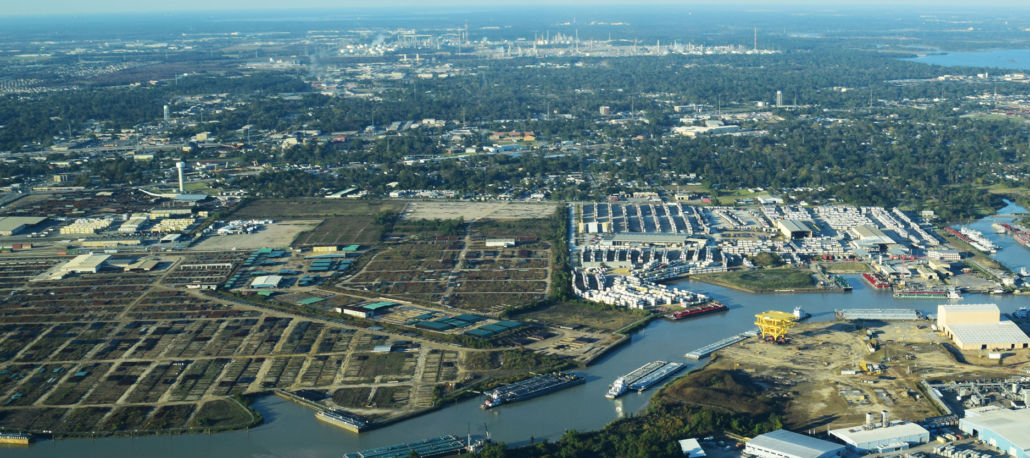 Photo by Ted Auch, FracTracker Alliance, with aerial support by LightHawk
https://fractracker.org/wp-content/uploads/2020/04/HoustonArea_feature.jpg
666
1500
Shannon Smith
https://fractracker.org/wp-content/uploads/2025/09/2025-Wordmark-Logo.png
Shannon Smith2020-03-24 15:48:412021-04-15 14:16:51COVID-19 and the oil & gas industry
Photo by Ted Auch, FracTracker Alliance, with aerial support by LightHawk
https://fractracker.org/wp-content/uploads/2020/04/HoustonArea_feature.jpg
666
1500
Shannon Smith
https://fractracker.org/wp-content/uploads/2025/09/2025-Wordmark-Logo.png
Shannon Smith2020-03-24 15:48:412021-04-15 14:16:51COVID-19 and the oil & gas industry https://fractracker.org/wp-content/uploads/2020/02/National-map-feature-3.png
400
900
Erica Jackson
https://fractracker.org/wp-content/uploads/2025/09/2025-Wordmark-Logo.png
Erica Jackson2020-02-28 17:35:142022-05-02 15:21:42National Energy and Petrochemical Map
https://fractracker.org/wp-content/uploads/2020/02/National-map-feature-3.png
400
900
Erica Jackson
https://fractracker.org/wp-content/uploads/2025/09/2025-Wordmark-Logo.png
Erica Jackson2020-02-28 17:35:142022-05-02 15:21:42National Energy and Petrochemical Map https://fractracker.org/wp-content/uploads/2020/01/PA-2019-Fracked-Gas-Production-Feature-scaled.jpg
667
1500
Matt Kelso, BA
https://fractracker.org/wp-content/uploads/2025/09/2025-Wordmark-Logo.png
Matt Kelso, BA2020-01-07 18:02:382021-04-15 14:55:32Fracking in Pennsylvania: Not Worth It
https://fractracker.org/wp-content/uploads/2020/01/PA-2019-Fracked-Gas-Production-Feature-scaled.jpg
667
1500
Matt Kelso, BA
https://fractracker.org/wp-content/uploads/2025/09/2025-Wordmark-Logo.png
Matt Kelso, BA2020-01-07 18:02:382021-04-15 14:55:32Fracking in Pennsylvania: Not Worth It https://fractracker.org/wp-content/uploads/2019/11/IMG_5312-1-scaled.jpg
666
1500
Erica Jackson
https://fractracker.org/wp-content/uploads/2025/09/2025-Wordmark-Logo.png
Erica Jackson2019-11-24 13:59:482021-04-15 14:55:35The Circular Economy: What it means for Fracking and Plastic
https://fractracker.org/wp-content/uploads/2019/11/IMG_5312-1-scaled.jpg
666
1500
Erica Jackson
https://fractracker.org/wp-content/uploads/2025/09/2025-Wordmark-Logo.png
Erica Jackson2019-11-24 13:59:482021-04-15 14:55:35The Circular Economy: What it means for Fracking and Plastic https://fractracker.org/wp-content/uploads/2019/07/Cracker-Plant-2-scaled.jpg
683
1500
Ted Auch, PhD
https://fractracker.org/wp-content/uploads/2025/09/2025-Wordmark-Logo.png
Ted Auch, PhD2019-07-23 14:37:052021-04-15 14:56:27The Underlying Politics and Unconventional Well Fundamentals of an Appalachian Storage Hub
https://fractracker.org/wp-content/uploads/2019/07/Cracker-Plant-2-scaled.jpg
683
1500
Ted Auch, PhD
https://fractracker.org/wp-content/uploads/2025/09/2025-Wordmark-Logo.png
Ted Auch, PhD2019-07-23 14:37:052021-04-15 14:56:27The Underlying Politics and Unconventional Well Fundamentals of an Appalachian Storage Hub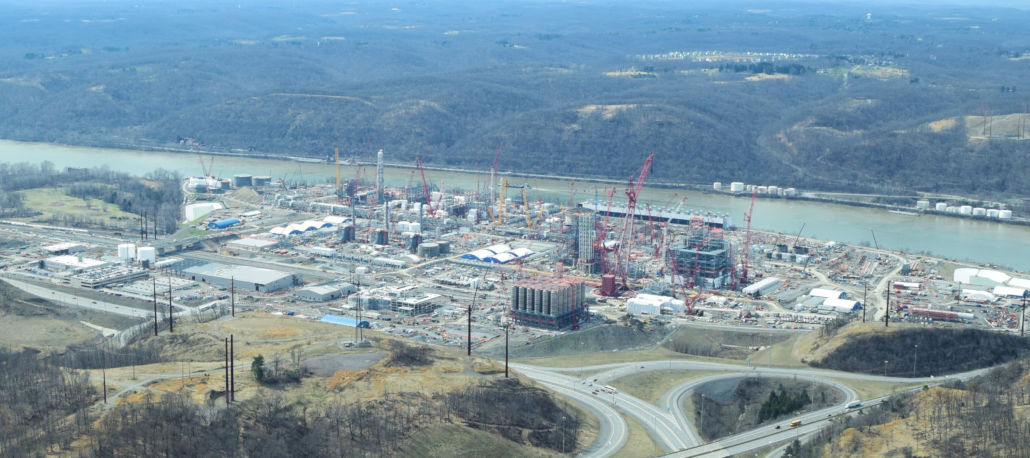 https://fractracker.org/wp-content/uploads/2019/07/Beaver-Cracker-Plant-Feature-scaled.jpg
667
1500
Erica Jackson
https://fractracker.org/wp-content/uploads/2025/09/2025-Wordmark-Logo.png
Erica Jackson2019-07-10 09:33:552022-02-15 10:54:51Mapping the Petrochemical Build-Out Along the Ohio River
https://fractracker.org/wp-content/uploads/2019/07/Beaver-Cracker-Plant-Feature-scaled.jpg
667
1500
Erica Jackson
https://fractracker.org/wp-content/uploads/2025/09/2025-Wordmark-Logo.png
Erica Jackson2019-07-10 09:33:552022-02-15 10:54:51Mapping the Petrochemical Build-Out Along the Ohio River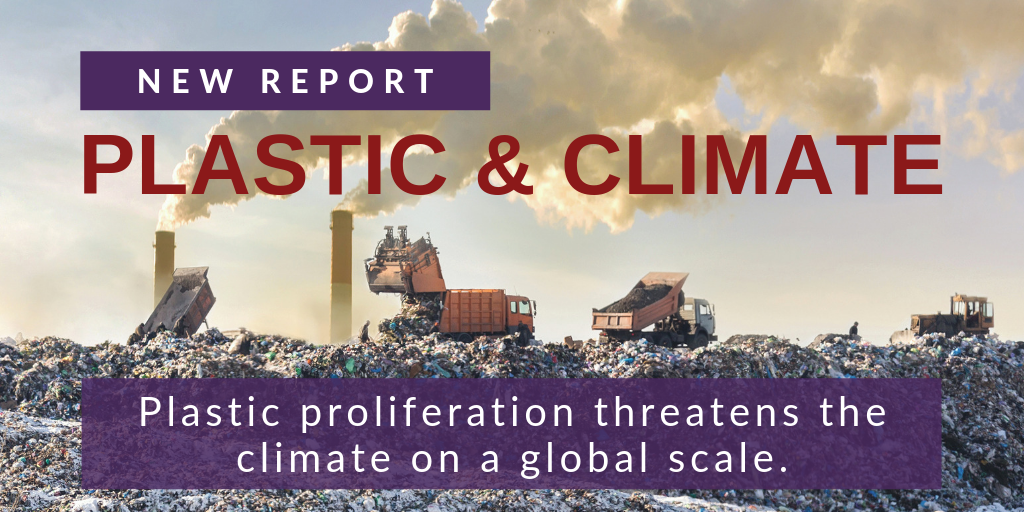 https://fractracker.org/wp-content/uploads/2019/05/Plastic-Climate-1.png
512
1024
Erica Jackson
https://fractracker.org/wp-content/uploads/2025/09/2025-Wordmark-Logo.png
Erica Jackson2019-05-16 11:39:262021-04-15 14:56:31The Hidden Costs of a Plastic Planet
https://fractracker.org/wp-content/uploads/2019/05/Plastic-Climate-1.png
512
1024
Erica Jackson
https://fractracker.org/wp-content/uploads/2025/09/2025-Wordmark-Logo.png
Erica Jackson2019-05-16 11:39:262021-04-15 14:56:31The Hidden Costs of a Plastic Planet
216 Franklin St, Suite 400, Johnstown, PA 15901
Phone: +1 (717) 303-0403 | info@fractracker.org
FracTracker Alliance is a 501(c)3 non-profit: Tax identification number: 80-0844297