

CNX’s Expanded Radiation Monitoring and Disclosure Fall Short
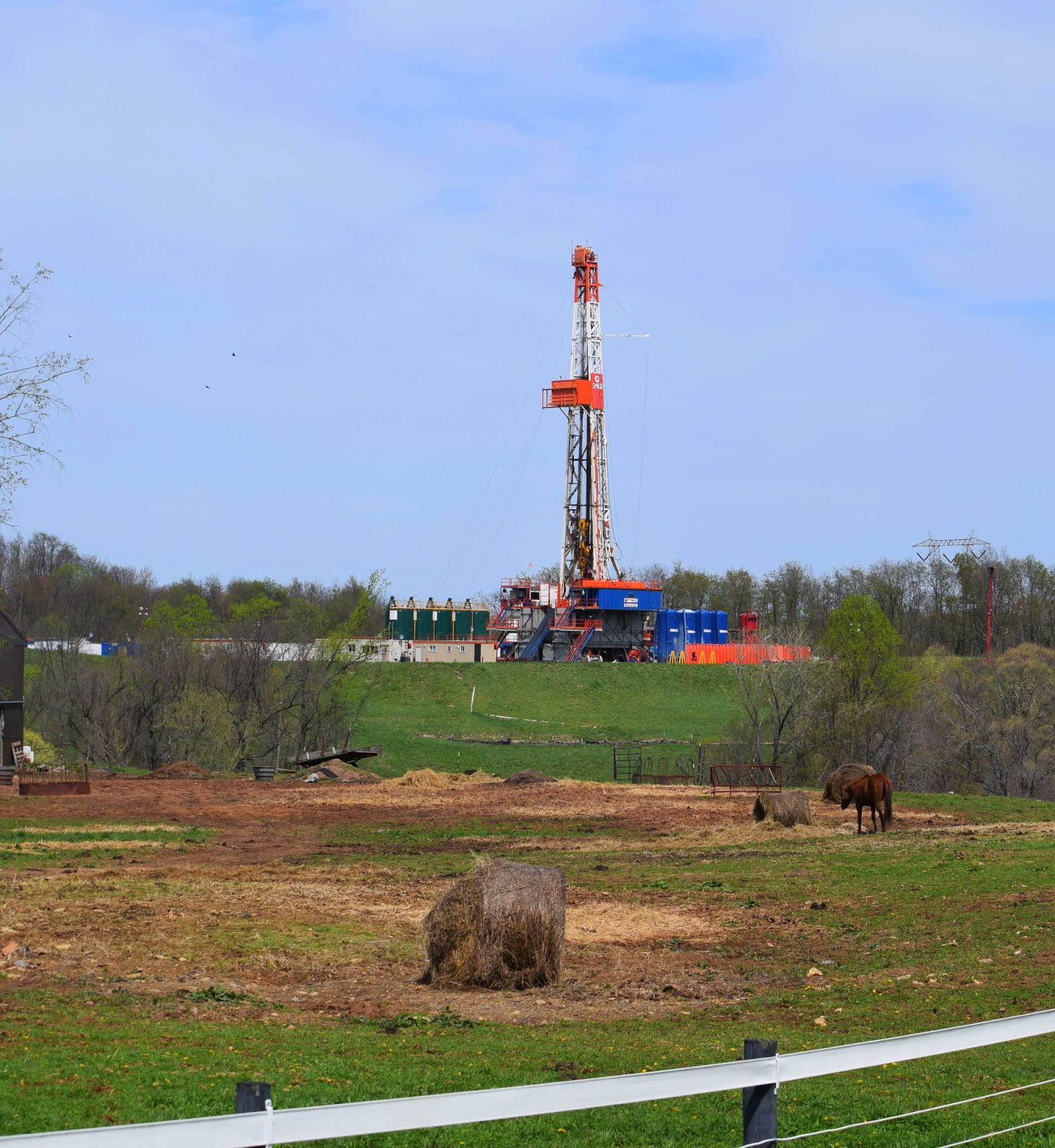
CNX’s Expanded Radiation Monitoring and Disclosure Fall Short

FOR IMMEDIATE RELEASE
September 18, 2026
Contact: Shannon Smith, FracTracker Alliance, smith@fractracker.org, (814) 449–0659
CNX’s Expanded Radiation Monitoring and Disclosure Fall Short
FracTracker calls for comprehensive radiation testing and enforceable public reporting requirements across Pennsylvania’s oil and gas industry
PITTSBURGH, PA— Since CNX and Gov. Josh Shapiro launched their “Radical Transparency” partnership in 2023, FracTracker Alliance has repeatedly challenged its broad safety claims and reliance on voluntary company disclosure. CNX’s newly announced radiation monitoring and disclosure program raises the same concerns: limited monitoring cannot establish safety, and voluntary commitments cannot replace enforceable requirements.
FracTracker Alliance supports comprehensive monitoring of radioactive materials in oil and gas waste. CNX’s announcement includes third-party collection of ambient gamma data and public disclosure of radiation surveys of waste leaving its sites. However, ambient gamma monitoring alone cannot identify or characterize the full range of radioactive contaminants or potential exposure pathways, and CNX’s own 2024 Comprehensive Radiation Protection Plan describes a broader suite of radiation-protection measures.
In its own February 2024 Comprehensive Radiation Protection Plan, analyzed in FracTracker’s Not-So-Radical Transparency report, CNX identified “drill cuttings, production water, flow-back solids/sludge, and pipe scale” as potential sources of radioactive material. CNX’s 2024 plan also notes the relevance of surveys of alpha and beta radiation, radon monitoring, airborne radioactive-particle sampling, and laboratory analysis of water and solid waste. Radical transparency entails a clearer explanation of why this “expanded” radiation monitoring falls short of the more comprehensive monitoring described in the 2024 plan.
Equally concerning is the continued reliance on voluntary company commitments for radiation monitoring and disclosure, rather than enforceable requirements that apply consistently across Pennsylvania’s oil and gas industry. This leaves the company itself with substantial control over what gets measured and ultimately is made public. The limitations of voluntary industry disclosure are illustrated by the controversy around CNX’s water-testing program at its NV110 well site. A 2023 agreement said post-drilling water results would be made public when participating landowners approved their release, yet the site was later archived before all opted-in results were published. CNX subsequently said those results were not posted because the pre-drill samples preceded the Radical Transparency program and did not provide the baseline it wanted for comparison. The Center for Coalfield Justice notes this appears nowhere in the signed forms, calling it “changing the rules in the middle of the game.” Whatever the explanation, the episode demonstrates the problem with making public-health information dependent on a company’s voluntary disclosure program rather than a clear, enforceable disclosure requirement.
FracTracker’s recent report on Pennsylvania’s fracking waste highlights radioactive hazards and gaps in existing waste disclosure. Pennsylvania operators are required to submit Form 26R reports describing residual waste streams, including periodic chemical analyses. A collaborative Right-to-Know effort by Earthjustice, Ohio Valley Allies, WildEarth Guardians, and FracTracker obtained roughly 400,000 pages of previously difficult-to-access records. FracTracker’s analysis found chemical tests documenting very high concentrations of radioactive and other hazardous contaminants in some Pennsylvania oil and gas wastes. One wastewater sample from a Chesapeake-operated well pad in Bradford County contained a combined 9,890 picocuries per liter of radium-226 and radium-228—nearly 2,000 times EPA’s drinking-water limit. Measurements of external gamma radiation can provide useful information, but they are not a replacement for laboratory testing that identifies which radionuclides are present and at what concentrations.
In the past, CNX has stirred controversy by using the Radical Transparency program to claim that unconventional natural gas development is “safe and inherently good for the communities” it operates in. These claims, which have been publicly challenged by scientists, fly in the face of a robust scientific literature that documents clear associations between unconventional oil and gas development and adverse health outcomes. By introducing this narrow radiation monitoring program, CNX is not presenting the comprehensive evidence that would be required to fully assess the risks that radioactivity poses to public health. Such a narrow presentation of data and dismissal of a substantial body of scientific evidence documenting associations between unconventional oil and gas development and adverse health outcomes is neither radical nor transparent. FracTracker calls for comprehensive, enforceable radiation testing and disclosure requirements across Pennsylvania’s oil and gas industry, including alpha and beta testing of surface contamination, radon monitoring, and laboratory measurement of radioactive contaminants in liquid and solid waste. Such an effort should be led by the agencies responsible for protecting the health of Pennsylvanians.
“We’ve been calling attention to gaps in monitoring for years, so yes, collecting more data is a good thing,” said Shannon Smith, Executive Director of FracTracker Alliance. “But CNX monitoring itself does not answer the larger public health questions, and it certainly does not make the company the authority on whether its operations are safe. Governor Shapiro should be investing in independent public health research and enforceable oversight instead of relying on a fracking company to monitor itself and then use its own data to make sweeping claims about public safety.”
###
FracTracker Alliance is a 501(c)(3) nonprofit that maps, analyzes, and communicates the risks of oil, gas, and petrochemical development. To learn more, visit fractracker.org or connect with us @FracTracker.

Leave a Reply
Want to join the discussion?Feel free to contribute!