Explore our site’s various articles about air, water, and waste as they relate to oil and gas. Use the tags to filter for specific themes.
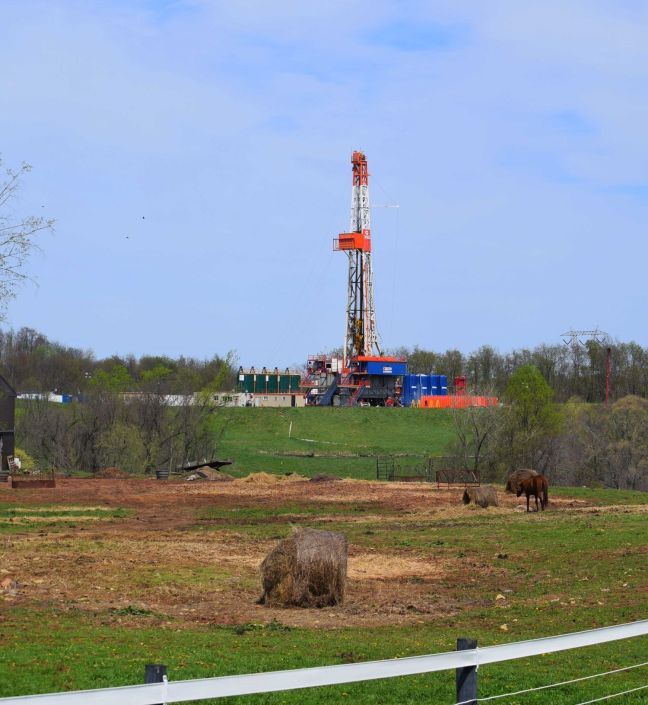
CNX’s Expanded Radiation Monitoring and Disclosure Fall Short
Press Release: CNX’s Expanded Radiation Monitoring and Disclosure Fall Short. FracTracker calls for comprehensive radiation testing and enforceable public reporting requirements across Pennsylvania’s oil and gas industry.
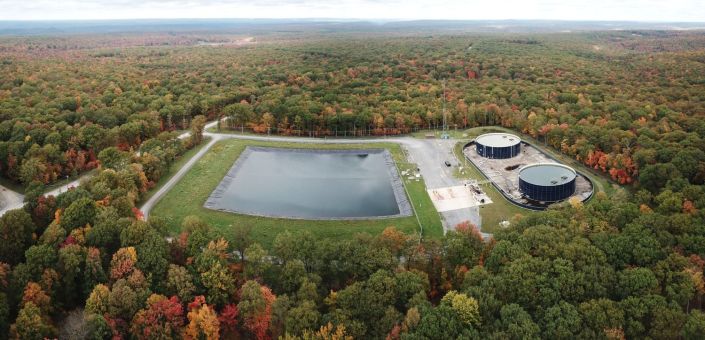
Tracking Pennsylvania’s Oil and Gas Waste in 2025
Pennsylvania's oil and gas wells reported 72.6 million barrels of liquid waste and more than 825,000 tons of solid waste in 2025, with unconventional wells accounting for nearly all of it. This analysis examines the categories of waste, a conventional-well reporting gap covering roughly 48,500 wells, brine spreading, where the waste ends up, and chemical analyses documenting high concentrations of radioactive and other hazardous contaminants.

PA DEP Approves Unusual “Mineral Brine” Well in Erie County, Raising Concerns About New Regulatory Loophole
Media Advisory: PA DEP Approves Unusual “Mineral Brine” Well in Erie County, Raising Concerns About New Regulatory Loophole. FracTracker appeals permit, citing unresolved questions about testing and sale of highly saline subsurface water that can contain radium, metals, and other contaminants
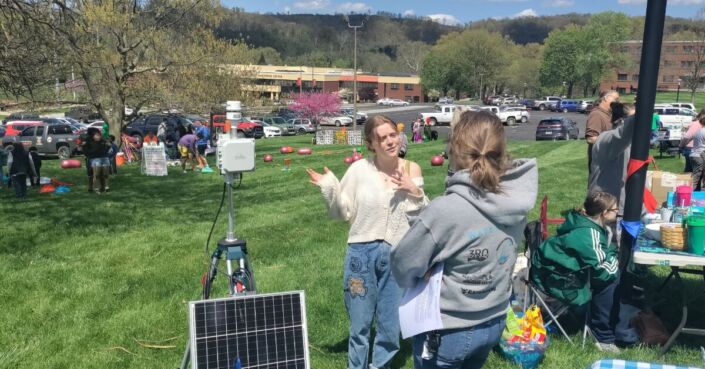
Campaign Update: Progress on FracTracker’s Community Air Monitoring Projects
New updates from FracTracker’s community air monitoring initiatives, including sensor deployments, air sampling, and ongoing work with frontline communities in the Ohio River Valley.
Mapping the Invisible Threat: Emissions from Oil and Gas
Hazardous air emissions in Pennsylvania are often hidden, leaking from abandoned wells, seeping from pipelines, and wafting invisibly into the air. This analysis utilizes new technologies and mapping tools to reveal the full scope of the problem and identify areas of particular concern in the state.

Pennsylvania Oil and Gas Industry Trends: Drilled Wells, Violations, Production, and Waste
This article looks at trends in the oil and gas industry in Pennsylvania, including the number of drilled wells, violations that have been issued, oil and gas production, and waste generation. We also point out examples of how data limitations make it challenging to answer frequently asked questions.
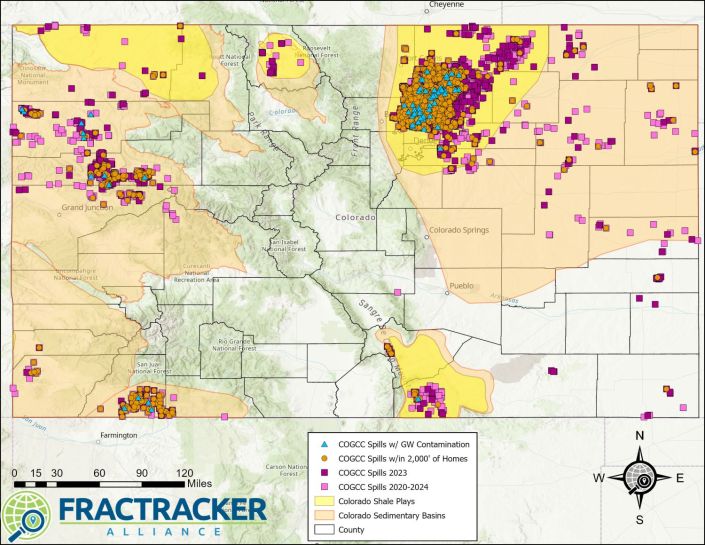
Empowering Colorado Communities: The Importance of the Community Right to Know Act
Communities in Colorado should be immediately informed of oil and gas spills that increase their health risks. Our analysis shows why public health alerts are particularly important for communities located near extraction operations.
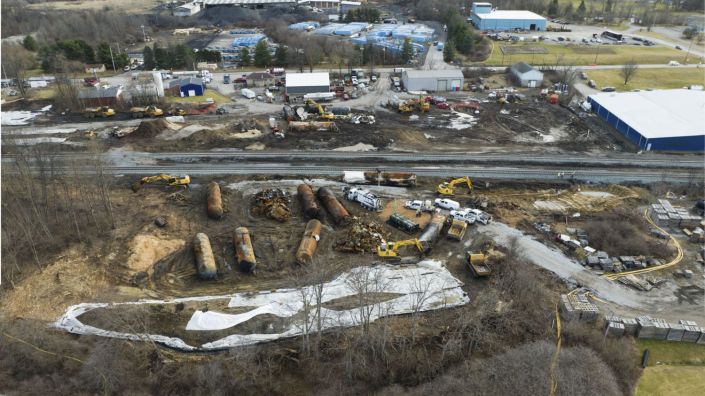
Where Do We Cross the Line: From Public Service to Public Threat
As industry expands within the primarily residential and agricultural community of Eaton Township, Ohio, community members wonder if the EPA and local government are doing enough to protect human health and the environment.

East Palestine Warning: The Growing Threat From Hazardous Waste Storage
Is the gradual increase in hazardous waste storage and incineration expansion in Eaton Township, Ohio, fueling a preventable future disaster?
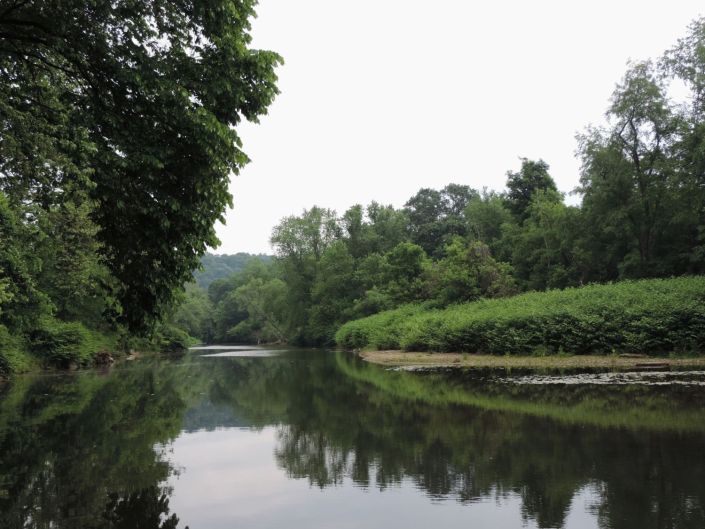
Digital Atlas: Exploring Nature and Industry in the Raccoon Creek Watershed
Digital atlas of Pennsylvania's Raccoon Creek unveils a comprehensive exploration of the watershed, emphasizing its ecological richness, recreational offerings, and the multifaceted impacts of industrial activities.
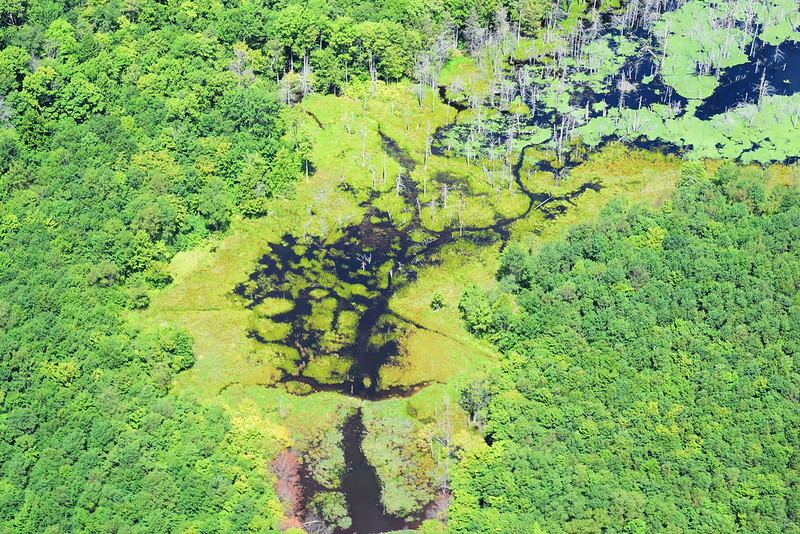
Pennsylvania Watersheds at Risk: Water Supply Decline
Watersheds in Pennsylvania are at risk for water supply issues in the coming years as a result of fracking activities that are threatening the quality and quantity of fresh water.
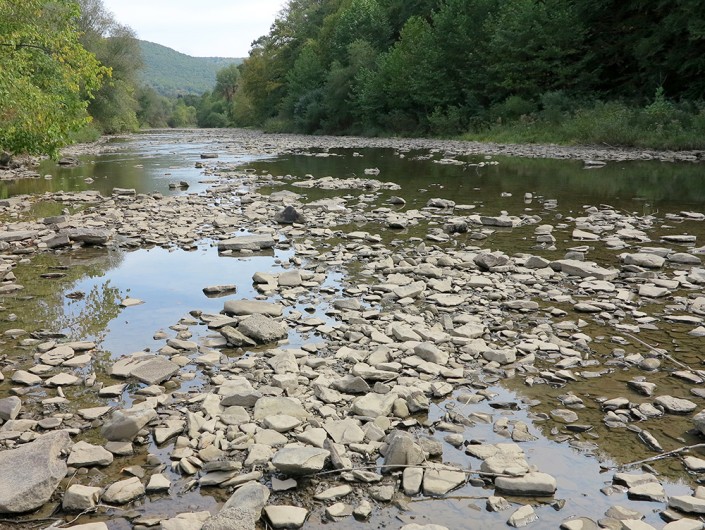
Pennsylvania Watersheds at Risk: Ecological Degradation
State designated waters in Pennsylvania are protected from pollution, but not from oil and gas related water withdrawals. This analysis shows watersheds in the state are at risk for ecological degradation due to fracking.

216 Franklin St, Suite 400, Johnstown, PA 15901
Phone: +1 (717) 303-0403 | info@fractracker.org
FracTracker Alliance is a 501(c)3 non-profit: Tax identification number: 80-0844297